
Picture this. You walk into a waiting room at the dentist. It's quiet. People are scrolling on their phones or reading an old magazine. You take a seat. Suddenly, someone walks in and says, loud and clear: "Goedemorgen allemaal!" (Good morning everyone!).
Wait, what? Are they running for mayor? Do they know these people? No. They are just being Dutch.
The Unwritten Rule of "Gedag Zeggen"
This is one of those cultural quirks that completely blindsides expats. In many English-speaking cultures, acknowledging strangers in a confined space is optional, sometimes even discouraged. We like our little bubbles of privacy.
But in the Netherlands, entering a shared space without a general greeting is often seen as blunt or slightly rude. It's an unwritten rule: you acknowledge the collective. This applies to waiting rooms, small shops, elevators, and sometimes even when entering a train compartment if it's relatively empty.
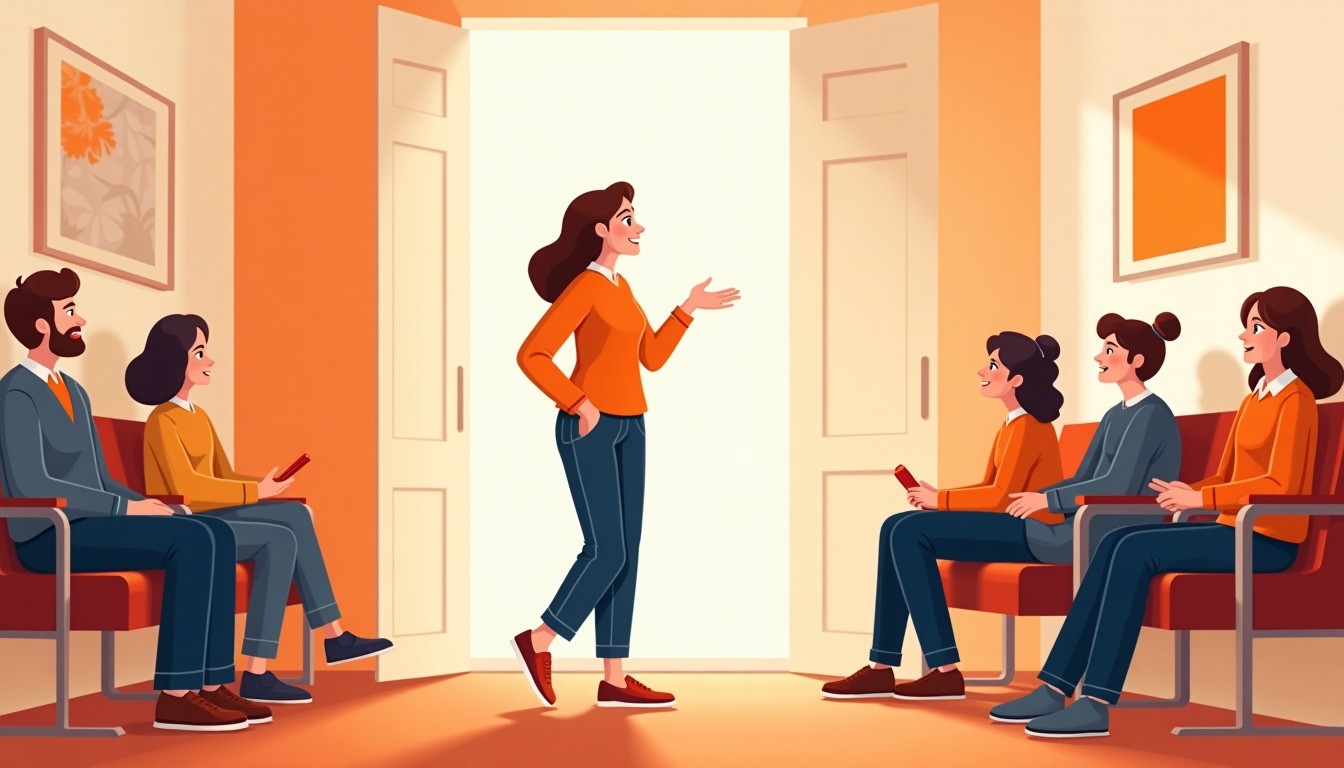
The standard phrase is usually a simple "Hallo" or "Goedemorgen" (Good morning), often followed by "allemaal" (everyone) to make it clear you're addressing the room, not singling anyone out.
Example: Goedemiddag allemaal, is deze stoel nog vrij? (Good afternoon everyone, is this chair still free?)
The Etiquette of the "Kringverjaardag"
Now, let's take this to the next level: the infamous Dutch circle birthday (kringverjaardag). If you've survived one, you know the drill. You don't just greet the host. You greet the host, and then you proceed to greet every single person sitting in the circle.
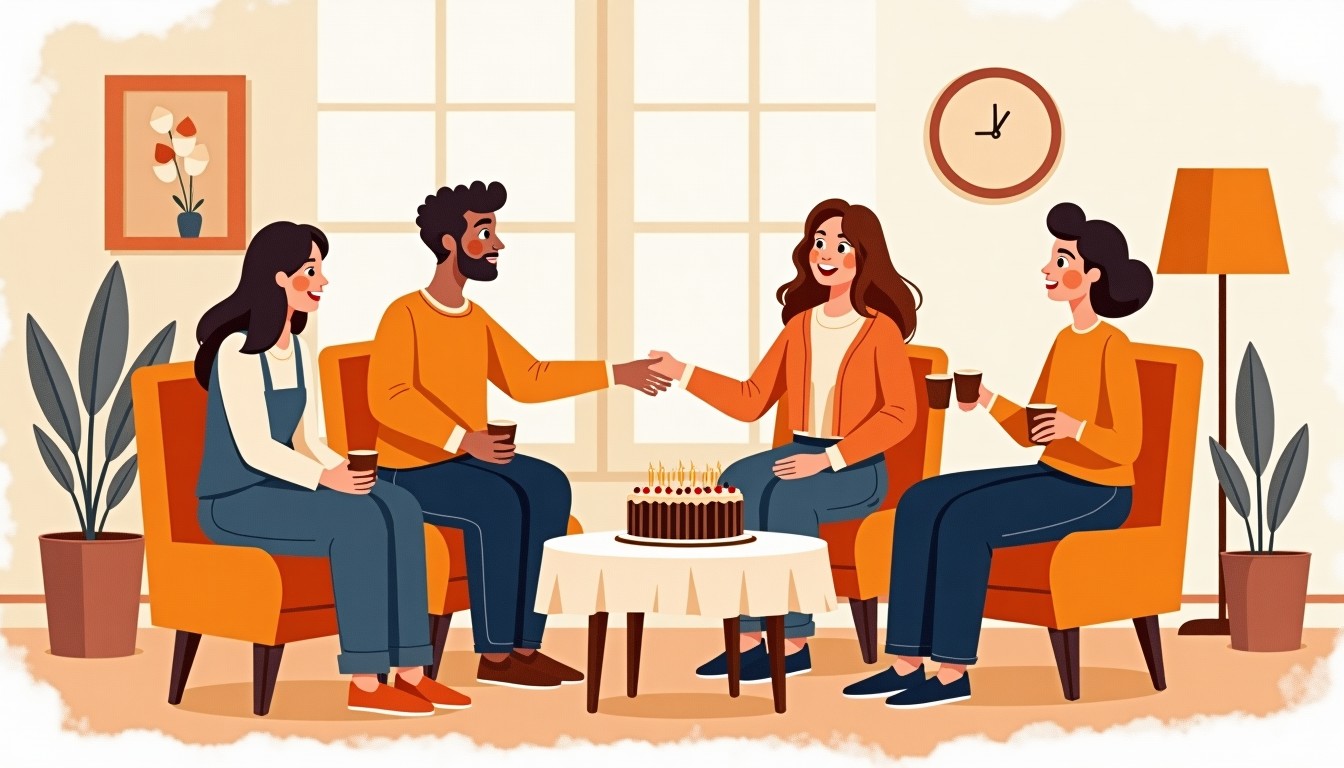
And it's not just a wave from the doorway. It's a physical commitment. You go around the circle, shaking hands (or doing the three kisses on the cheek if you're close), and saying: "Gefeliciteerd met [Name of the host]." (Congratulations with [Name of the host]).
Yes, you congratulate the guests on the fact that the host has a birthday. It's wild, it's exhausting, and it's 100% mandatory if you want to make a good impression.
Example: Gefeliciteerd met je broer! (Congratulations on your brother's birthday!)
Why Do They Do It?
It comes down to a deep-seated value of egalitarianism and acknowledging the community. By greeting everyone, you're saying, "I see you, we are in this space together, and I respect your presence." It breaks the ice just enough to make the shared silence comfortable rather than awkward.

If you're an expat, this can feel incredibly intimidating. You might worry about your pronunciation or fear that you'll interrupt someone. But here's the secret: Dutch people appreciate the effort far more than perfect execution.
How to Handle the Greeting Panic
When you walk into that waiting room, take a breath. Don't overthink it. A simple, cheerful "Hallo" or "Goedemorgen" is all it takes. You don't need to make prolonged eye contact or start a conversation. Just toss the greeting into the middle of the room and take your seat.
If you want to practice your greetings and build that confidence before you step into the dentist's office, the Fluency Tulip is a great place to start. You can practice the sounds until they feel natural.
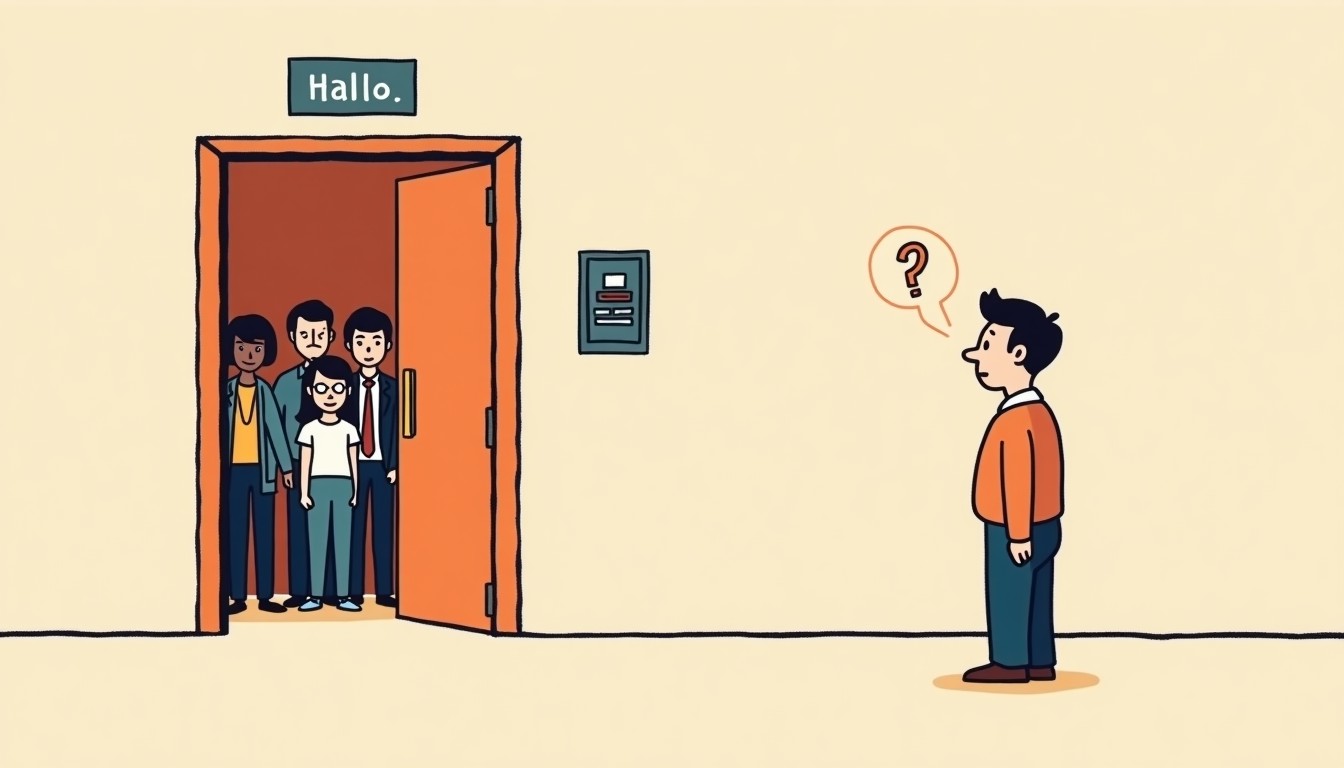
And if you're feeling really brave, try initiating the greeting next time you get in an elevator. You might just get a chorus of "Hoi" in return.
Mastering these little social rituals is just as important as mastering the grammar. It's what makes you feel less like an outsider and more like you belong. If you want to work on these conversational nuances, our 1:1 coaching sessions can help you navigate these tricky cultural waters.
So, next time you enter a room, don't sneak in. Own it. Give them a hearty "Goedemorgen!"
Stap voor stap, you'll get the hang of it. Goed bezig!