
Let's be honest. We all start learning Dutch with the best intentions. You buy the textbooks, you download the apps, and you swear that this is the year you'll finally master the language. The first two weeks are glorious. You're studying for an hour every night, motivated by the vision of yourself ordering a koffie verkeerd with flawless pronunciation.
Then, life happens.
Work gets chaotic. The kids get sick. You’re exhausted after a long day, and the thought of opening a grammar book feels like a punishment. Before you know it, three days have passed without a single word of Dutch. Then a week. Suddenly, you're looking at your study materials with a mix of guilt and dread, feeling like you're back at square one.
If this sounds familiar, take a deep breath. You are not failing. You just need a better system.
The Myth of the Motivation Myth
The biggest trap language learners fall into is relying on motivation. Motivation is a feeling, and feelings are notoriously unreliable. They spike when you watch an inspiring video or book a trip to Amsterdam, but they vanish the moment you're tired, stressed, or faced with a challenging concept.

Motivatie is leuk om te beginnen, maar discipline houdt je gaande. (Motivation is nice to start, but discipline keeps you going.)
What you need isn't more willpower; it's a routine that's so frictionless, it takes more effort not to do it than to simply get it done. The key is to shift your mindset from "I need to study for an hour" to "I need to interact with Dutch every single day, no matter how briefly."
Micro-Habits: The Secret to Consistency
When life gets busy, the all-or-nothing approach is your worst enemy. If you believe that only an hour of dedicated study counts, you'll inevitably fail on busy days. Instead, embrace the power of micro-habits.
A micro-habit is an action so small it feels almost ridiculous. For example: "Read one paragraph in Dutch" or "Listen to one minute of a podcast." The goal isn't to master the language in one sitting; the goal is to build the identity of someone who learns Dutch daily.

Here are some practical ways to weave Dutch into your existing day:
- The Commute: Reclaim your travel time. Instead of doomscrolling or listening to the same playlist, turn your commute into a learning session. This is the perfect time for passive listening. Check out our free Dutch podcasts, designed specifically for different proficiency levels. Even 15 minutes a day adds up to over an hour a week.
- The Morning Coffee: Pair your morning brew with a quick reading exercise. The DFL Reading Method is designed for short, impactful sessions that build vocabulary naturally in context.
- The Evening Wind-Down: Before bed, reflect on your day. Writing is one of the most powerful tools for retention. This is exactly where an app like the Dagboek helps: you write a few sentences about your day, and you get corrected Dutch back, reinforcing what you've learned.
Ik oefen elke dag een beetje, zelfs als ik moe ben. (I practice a little bit every day, even when I'm tired.)
Habit Stacking: Piggybacking on Existing Routines
One of the most effective strategies for building a new habit is to attach it to an existing one. This is called "habit stacking." You already brush your teeth, make coffee, and commute. By linking your Dutch practice to these ingrained behaviors, you eliminate the need to "find time."
For example:
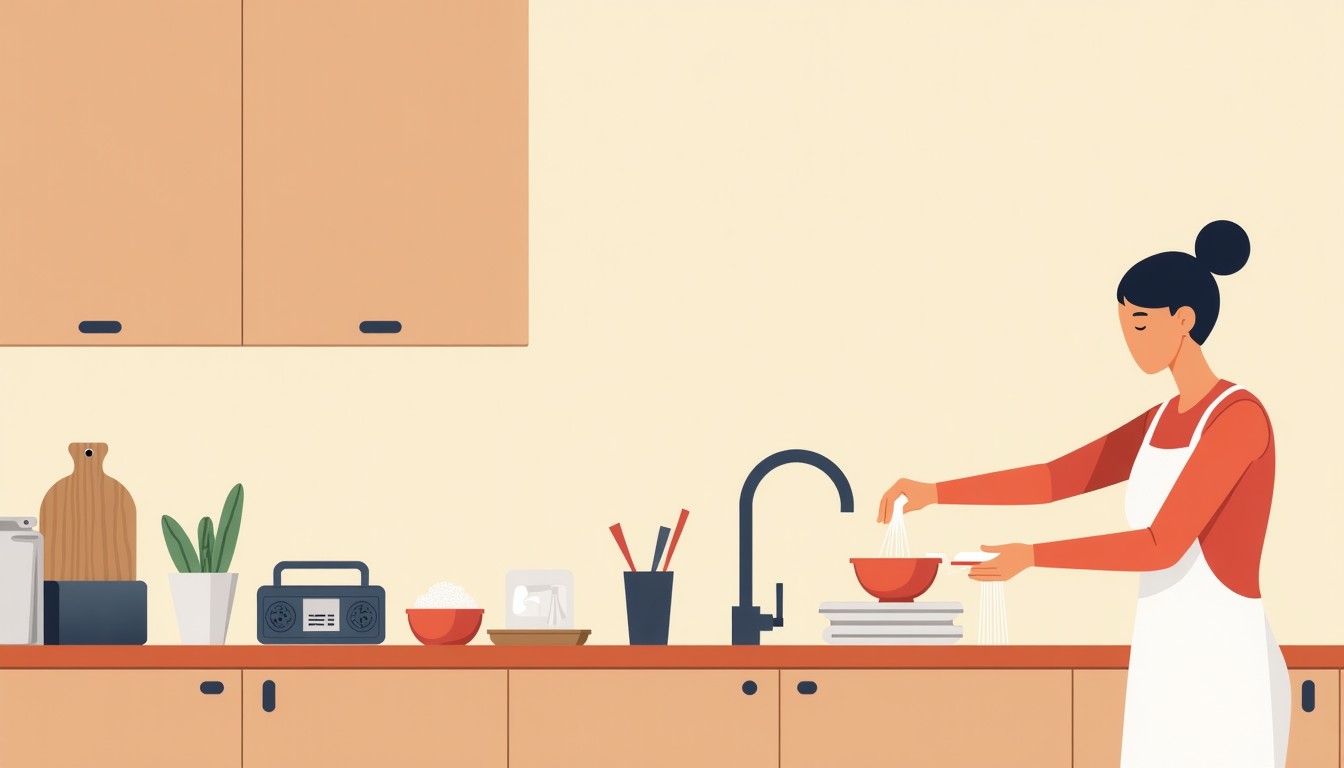
- "After I pour my morning coffee, I will review flashcards for 5 minutes."
- "While I wash the dishes, I will listen to a Dutch news broadcast."
- "When I sit on the train, I will complete one lesson in the Email-based Dutch exercises."
The trigger for your new habit becomes the completion of your old habit. It’s a simple but incredibly powerful psychological trick.
Designing Your Environment for Success
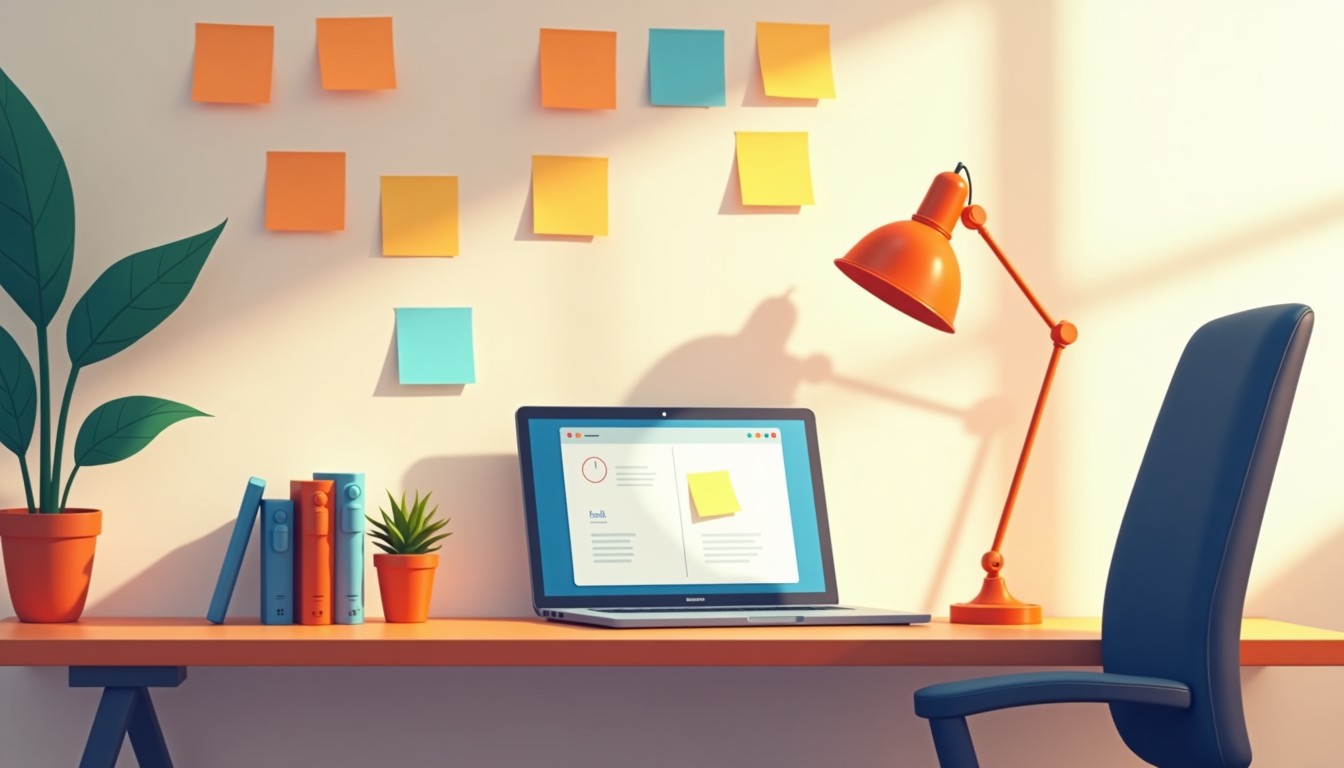
Your environment plays a massive role in your ability to stick to a routine. If your Dutch books are buried under a pile of mail, or your language apps are hidden in a folder on your phone, you're creating unnecessary friction.
Make the right choice the easy choice. Leave your textbook open on your desk. Put your Dutch learning apps on the first screen of your phone. Change your phone or computer's operating system to Dutch. Surround yourself with the language so that engaging with it requires zero effort.
Maak het makkelijk om te beginnen. (Make it easy to start.)
Remember, the goal isn't perfection; it's persistence. A 10-minute session every day is infinitely more valuable than a 3-hour cram session once a week. Building a routine takes time, patience, and a willingness to forgive yourself when you slip up.
Start small, stay consistent, and watch as those little moments add up to fluency. You've got this.