
You know that moment when you call someone 'ouder' and they give you a look that could freeze the canals? Yeah, me too. Dutch has a word that navigates this minefield: bejaard. It doesn't just mean old. It means elderly with a side of respect, a dash of pity, and a whole lot of cultural context.
Let me paint a picture. You're at a birthday party. You meet your friend's grandmother. You want to say something nice. You say, “U bent oud.” Congratulations, you just called her ancient. What you meant was “U bent bejaard.” That's the difference between a compliment and a slap.
So What Exactly Does 'Bejaard' Mean?
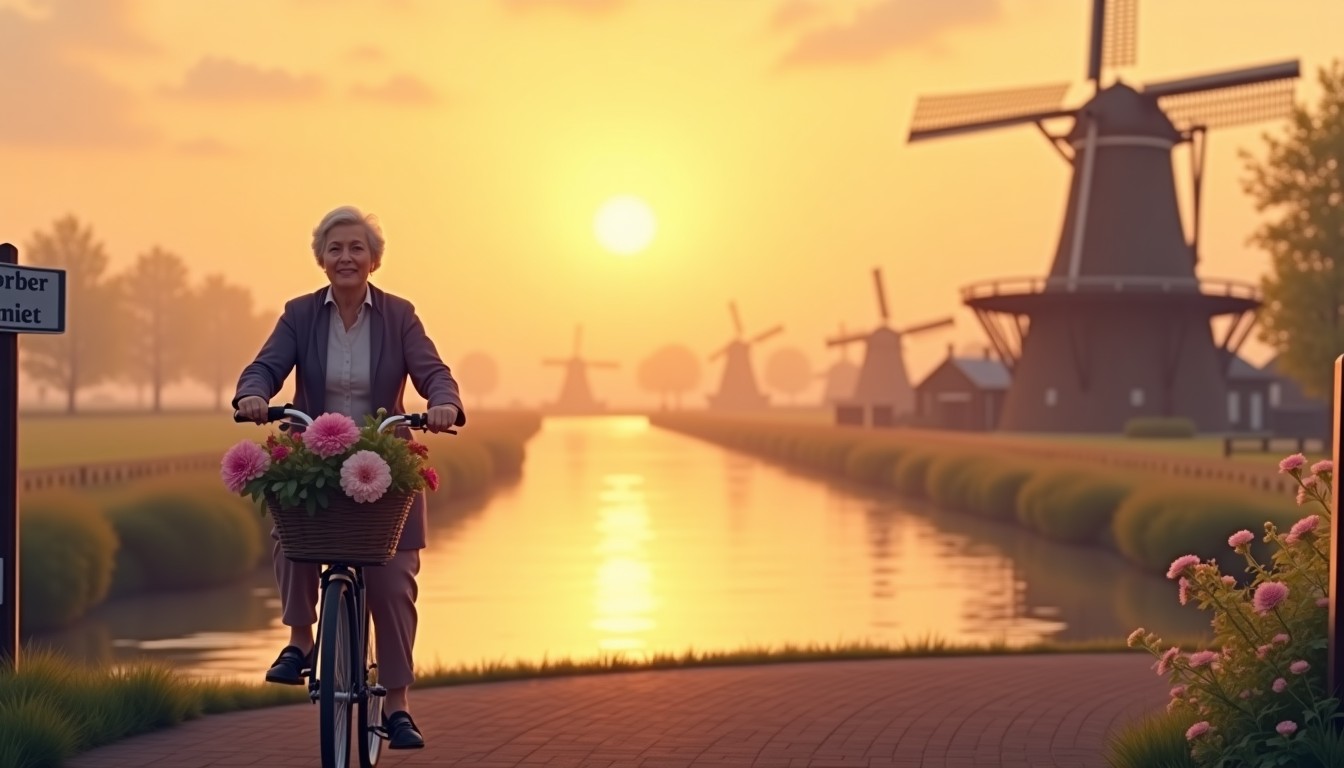
Literally, it comes from bejaard, meaning “aged” or “advanced in years.” But in practice, it's the polite, somewhat formal way to refer to someone in their later years. Think 70 plus. It's the word you'd use in a doctor's office, a care home, or a respectful conversation about your bejaarde buurvrouw who still cycles to the market every day.
Here's the catch: bejaard can sound a bit stiff, even clinical. If you call someone bejaard to their face, they might smile politely and think, “Thanks, I'm not dead yet.” The Dutch are direct, but they're not cruel. They'd rather say op leeftijd (of age) or simply ouder (older) in casual chat.
Example:
- Mijn oma is al behoorlijk bejaard, maar ze reist nog steeds de wereld rond. (My grandma is quite elderly, but she still travels the world.)
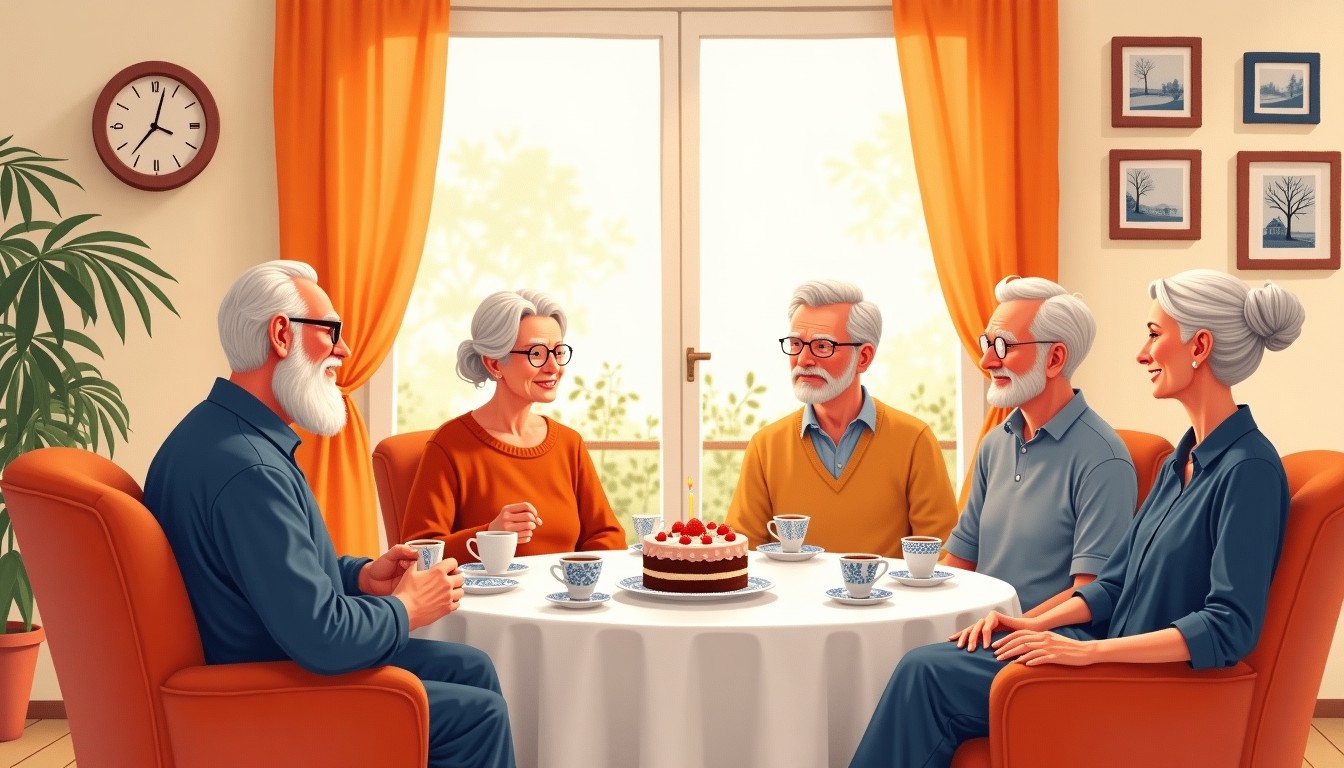
- In het bejaardentehuis organiseren ze elke week een bingo. (In the retirement home they organize a bingo every week.)
Why Expats Get This Wrong
English speakers often translate “old” directly to oud. But oud in Dutch is neutral, even affectionate, when talking about things: een oude fiets, een oud boek. For people, oud can sting. Bejaard softens the blow, but it also puts a label on someone. It's like calling someone “senior citizen” instead of “older person.”
I once had a student who told his Dutch mother-in-law, “Je bent al best bejaard, hè?” Let's just say he spent the rest of the evening doing dishes alone. The lesson? Use bejaard to describe, not to address. And if you're unsure, ouder is safer.
If you want to practice this kind of nuance, the Fluency Tulip has real podcast clips where you can hear how Dutch people actually talk about age. It's ear training with context.
The Cultural Weight of 'Bejaard'
The Netherlands has an aging population, and bejaarden are a big part of the social fabric. You'll see bejaardentehuizen (retirement homes), bejaardenzorg (elderly care), and bejaardenkorting (senior discount) everywhere. It's not a dirty word. It's just formal.
But here's the twist: many older Dutch people reject the label. They'll say, “Ik ben niet bejaard, ik ben gewoon oud.” (I'm not elderly, I'm just old.) It's a subtle pushback against being categorized. So if you use bejaard, make sure it fits the tone. In a formal letter or a doctor's note, perfect. In a casual chat, maybe go with op leeftijd.
Want to write about your own observations? The Dagboek app lets you journal in any language and get Dutch back with audio. It's a great way to test words like bejaard in context and hear how they sound.
How to Use 'Bejaard' Without Stepping on Toes
Rule of thumb:
- Use bejaard for people 70+, in formal or neutral contexts.
- Use ouder or op leeftijd for casual conversation.
- Never use oud directly for a person unless you're very close and joking.
Also, bejaard is an adjective, but it can be used as a noun: de bejaarden (the elderly). It's plural, so de bejaarde is one person. Be careful with the article: het bejaardentehuis is neutral, but de bejaarde is common gender.
Example: De bejaarden in dit dorp krijgen gratis vervoer naar de supermarkt. (The elderly in this village get free transport to the supermarket.)
What About 'Bejaard' in Everyday Speech?
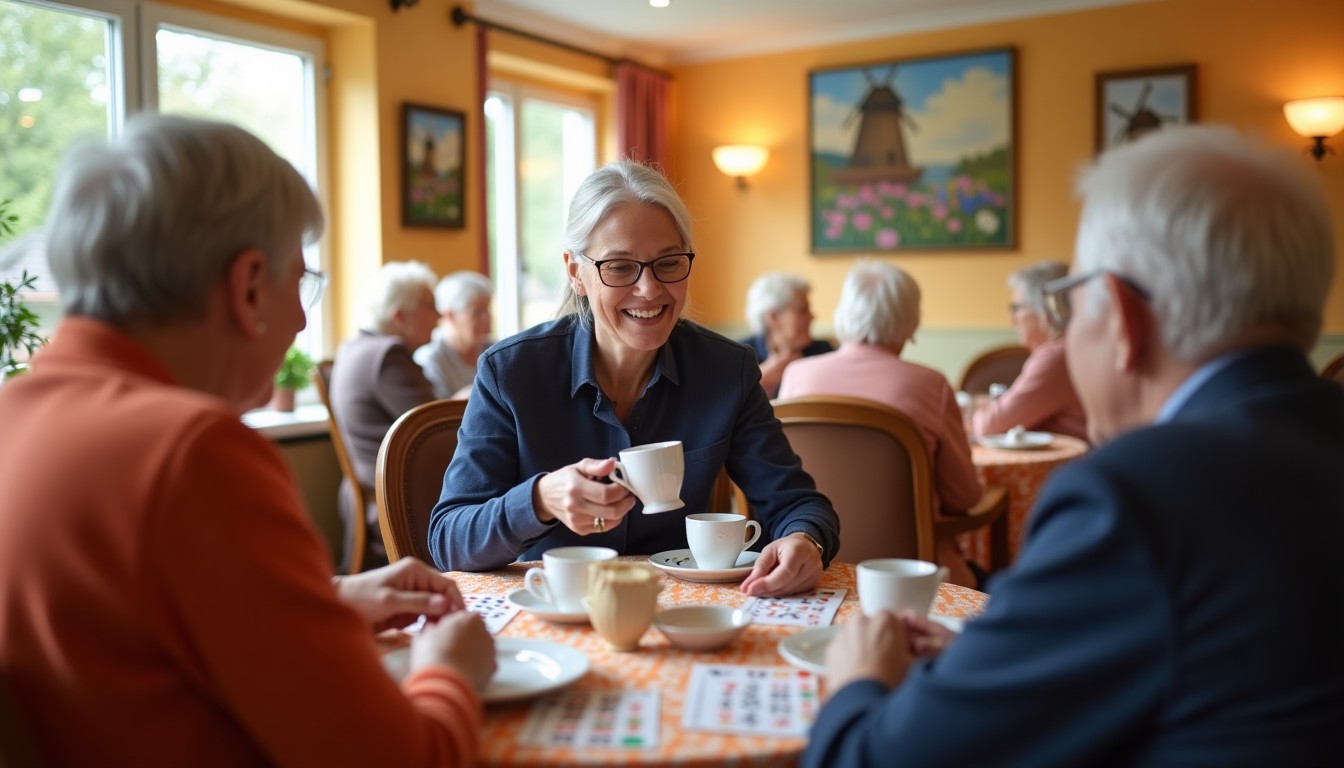
You'll hear it in the news, in policy documents, and in conversations about healthcare. But among friends, it's rare. Younger Dutch people might say oudjes (little old ones) affectionately, or senioren (seniors). Bejaard is the word you use when you want to be precise and polite, but not too personal.
If you're preparing for the NT2 exam, knowing the difference between oud, ouder, bejaard, and senior can boost your vocabulary score. The NT2 Trainer has drills that target exactly this kind of nuance.
Final Thought
Dutch is full of words that carry more weight than their English cousins. Bejaard is one of them. It's not just about age. It's about respect, distance, and the Dutch knack for being direct without being rude. Learn it, use it wisely, and you'll sound more fluent than half the expats in your street.
Goed bezig. Stap voor stap.