
You know the feeling. You have a list. Supermarket, pharmacy, maybe the post office. It is all routine, all necessary, and in your native language, all mindless. But for a Dutch learner, these errands are not mindless at all. They are a goldmine.
The Dutch have a word for this: boodschappen doen. It literally means 'doing messages', but it covers everything from groceries to picking up a package. And here is the thing: boodschappen doen is one of the most underrated fluency tools you have. It forces you to use real Dutch, in real time, with real stakes (okay, maybe just the stakes of getting the right cheese).
Let me show you how to turn your weekly errands into a structured, low-pressure language lab.
Why Errands Are the Perfect Practice Ground
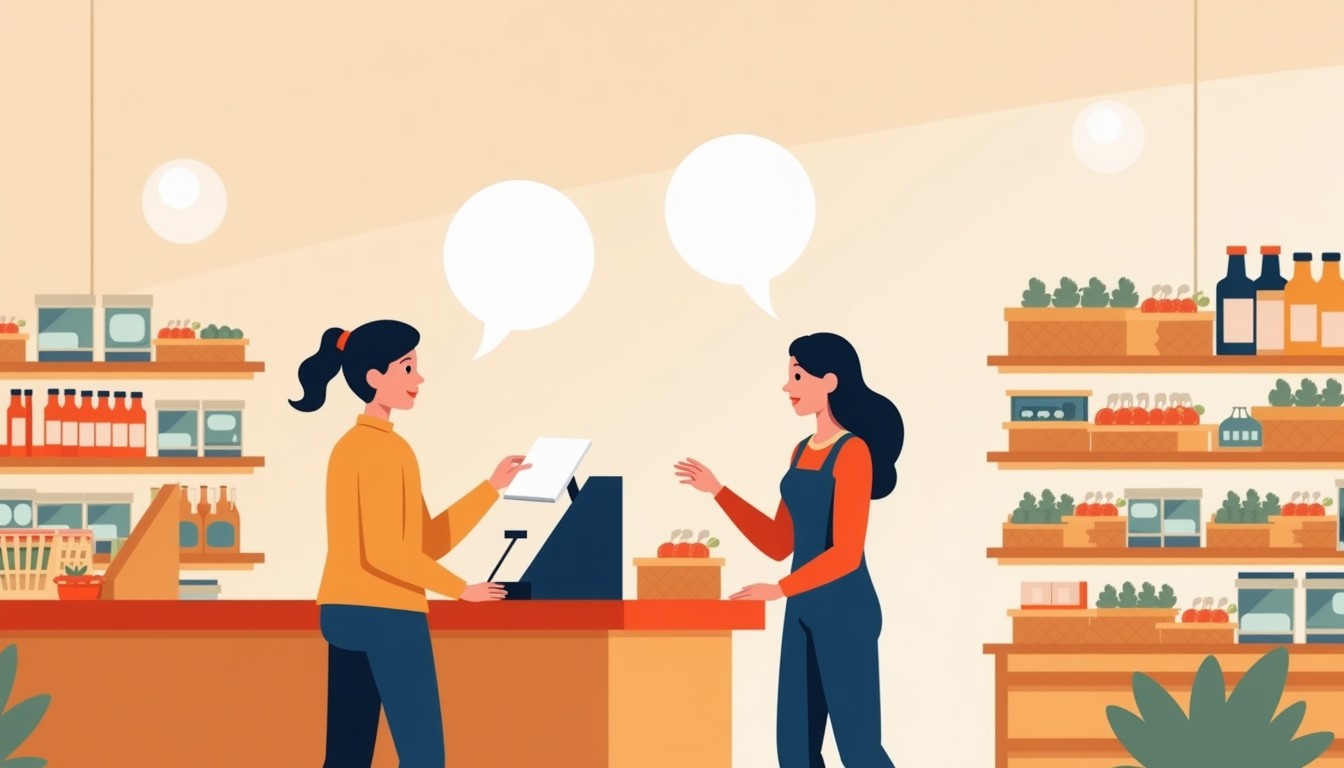
Think about it. A conversation at a birthday party can be intimidating. A job interview in Dutch is high-stakes. But a cashier asking if you want a bonnetje? That is a tiny, predictable exchange. You can rehearse it. You can fail it and try again tomorrow. This is exactly the kind of repetition that builds automaticity.
Research on language acquisition shows that we learn best when we encounter the same words and structures in slightly different contexts, over and over. Errands are naturally repetitive. You buy bread every week. You ask for a receipt every time. You hear the same questions: “Heeft u een klantenkaart?” (Do you have a loyalty card?), “Wilt u een tasje?” (Would you like a bag?).
This is where an app like Dagboek becomes surprisingly powerful. After a day of errands, you write a few sentences about what you did. You get corrected Dutch back, with audio. You are not just memorizing phrases; you are reflecting on your real life in Dutch.
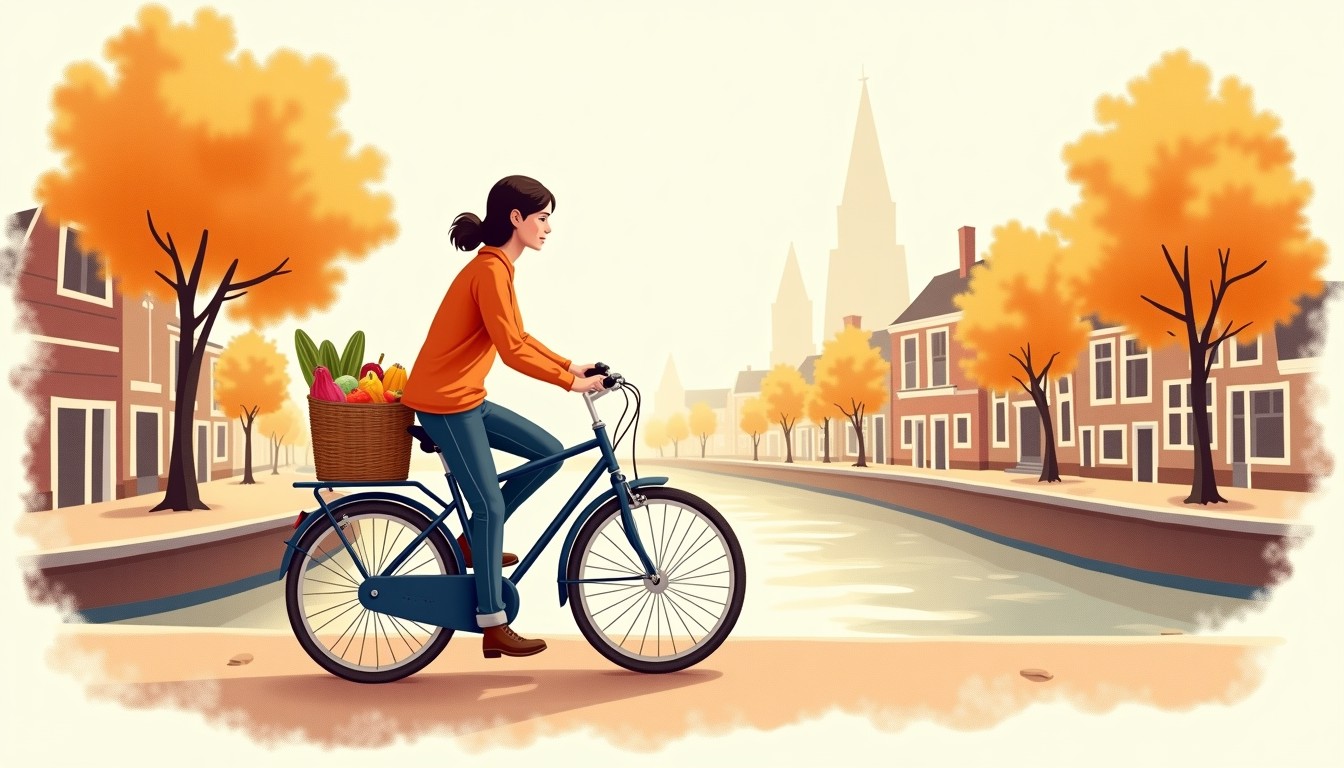
But the real magic happens before you even leave the house. You prepare. You anticipate. You give your brain a script.
A Practical Script for Your Next Boodschappen
Here is a simple routine you can start today. Pick one errand. Not five. One. Let us say the supermarket.
Step 1: Pre-load the vocabulary. Before you go, write down five words or phrases you expect to need. For the supermarket: een kilo appels (a kilo of apples), waar staat de melk? (where is the milk?), kan ik pinnen? (can I pay by card?), heeft u een tasje? (do you have a bag?), dank u wel (thank you).
Step 2: Rehearse out loud. Say them in your kitchen. Yes, out loud. Your mouth needs the practice, not just your eyes. This is where pronunciation tools like Tulip Trainer help. You can listen to real podcast audio and mimic the rhythm.
Step 3: Go do it. At the store, use at least two of your phrases. Even if the cashier switches to English, keep going in Dutch if you can. If they switch, you can say: “Ik oefen mijn Nederlands, vindt u het erg?” (I am practicing my Dutch, do you mind?). Most people will smile and switch back.

Step 4: Debrief. On the way home, or that evening, write down what happened. What went well? What surprised you? This is where Dagboek shines again. You write in English if you need to, and you get Dutch back. You are turning a mundane trip into a personalized lesson.
Step 5: Repeat next week. Same store. Same phrases, plus one new one. The repetition is the point.
This is not about becoming fluent in a week. It is about building a habit of using Dutch in the wild, without the pressure of a formal lesson.
The Hidden Grammar You Learn Without Noticing
Errands sneak in grammar. When you ask “Waar staat de melk?”, you are using inversion (verb second). When you say “Ik heb geen cash geld” (I do not have cash), you are using geen correctly. When you say “Ik wil graag een kilo appels” (I would like a kilo of apples), you are using graag to soften a request.
You are not drilling tables. You are using the language for a purpose. That purpose makes it stick.
If you want to accelerate this, structured email drills can help. Email Training sends you short exercises based on everyday scenarios, so you can practice the exact phrases you will need at the market or the pharmacy.
But the best practice is always the real thing. So let me give you a challenge.
This week, do one errand entirely in Dutch. Prepare your phrases. Go. Debrief. Then tell me about it. You might be surprised at how much you already know.
And if you want a structured way to build this into your routine, consider a free trial of our tools. They are designed for exactly this kind of real-life practice.
Frequently Asked Questions
Q: What if the cashier switches to English?
A: It happens. You can politely say: “Ik oefen graag mijn Nederlands, als het mag.” (I would like to practice my Dutch, if that is okay.) Most people will respect that.
Q: How do I remember all the words I need?
A: You do not need to remember everything at once. Focus on five phrases per errand. Write them on your phone. Use them. The repetition will cement them.

Q: Is it okay to make mistakes?
A: Absolutely. Mistakes are data. They show you what to work on next. The goal is communication, not perfection.
Q: How long until I notice progress?
A: If you do this once a week, you will feel more confident within a month. Fluency is a marathon, not a sprint, but these small wins add up.
Vocabulary Table
| Dutch | English | Example |
|---|---|---|
| boodschappen doen | to run errands / do groceries | Ik ga morgen boodschappen doen. |
| de supermarkt | the supermarket | De supermarkt is vandaag druk. |
| een tasje | a bag | Wilt u een tasje? |
| pinnen | to pay by card | Kan ik hier pinnen? |
| het bonnetje | the receipt | Mag ik het bonnetje? |
| de klantenkaart | the loyalty card | Heeft u een klantenkaart? |
| waar staat ...? | where is ...? | Waar staat de melk? |
| een kilo | a kilo | Ik wil graag een kilo appels. |
| graag | please / gladly | Ik wil graag een brood. |
| dank u wel | thank you | Dank u wel, tot ziens. |
| alstublieft | please / here you go | Alstublieft, uw bonnetje. |
| tot ziens | goodbye | Tot ziens, fijne dag! |
| fijne dag | have a nice day | Fijne dag nog! |
| mag ik ...? | may I ...? | Mag ik een tasje? |
| ik oefen | I am practicing | Ik oefen mijn Nederlands. |
Practice this now: Open Dagboek and write three sentences about your last trip to the supermarket. Use at least two words from the table above. Then listen to the corrected Dutch and repeat it out loud.
Fluency is not built in a classroom. It is built in the checkout line, at the pharmacy counter, and on the bike ride home. So go do your boodschappen. And while you are at it, do them in Dutch.