
We need to talk about the elephant in the room. Or rather, the scrape in the throat. If you've spent any time learning Dutch, you've probably encountered the infamous Dutch "G". You know the one. The sound that makes non-native speakers feel like they're attempting to clear a particularly stubborn piece of popcorn from their windpipe.
I hear it all the time from my students. They'll say, "Rick, I can handle the grammar, I can even survive a circle party, but the 'G' is going to be the end of me." They try so hard, forcing air from deep down, resulting in a sound that's more "angry goose" than "native speaker".
The Throat-Scraping Myth
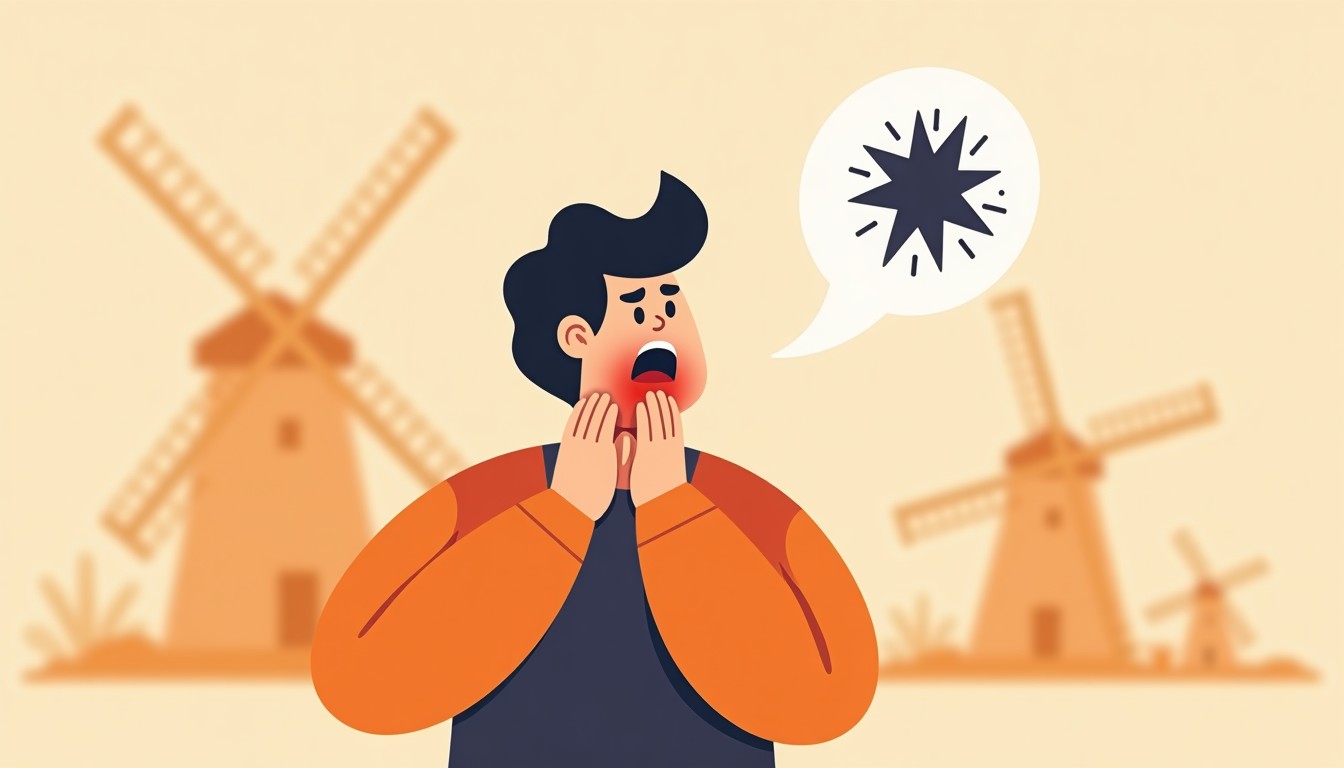
Here's the biggest misconception about the Dutch "G": you do not need to scrape the bottom of your throat to produce it. In fact, if your throat hurts after practicing Dutch, you're doing it wrong.
Many learners try to make the sound way too far back in their throat. They're aiming for a guttural rumble, but what they actually need is a soft friction. Think less "gargling gravel" and more "hissing cat" (but a friendly one, of course).
The "K" Connection
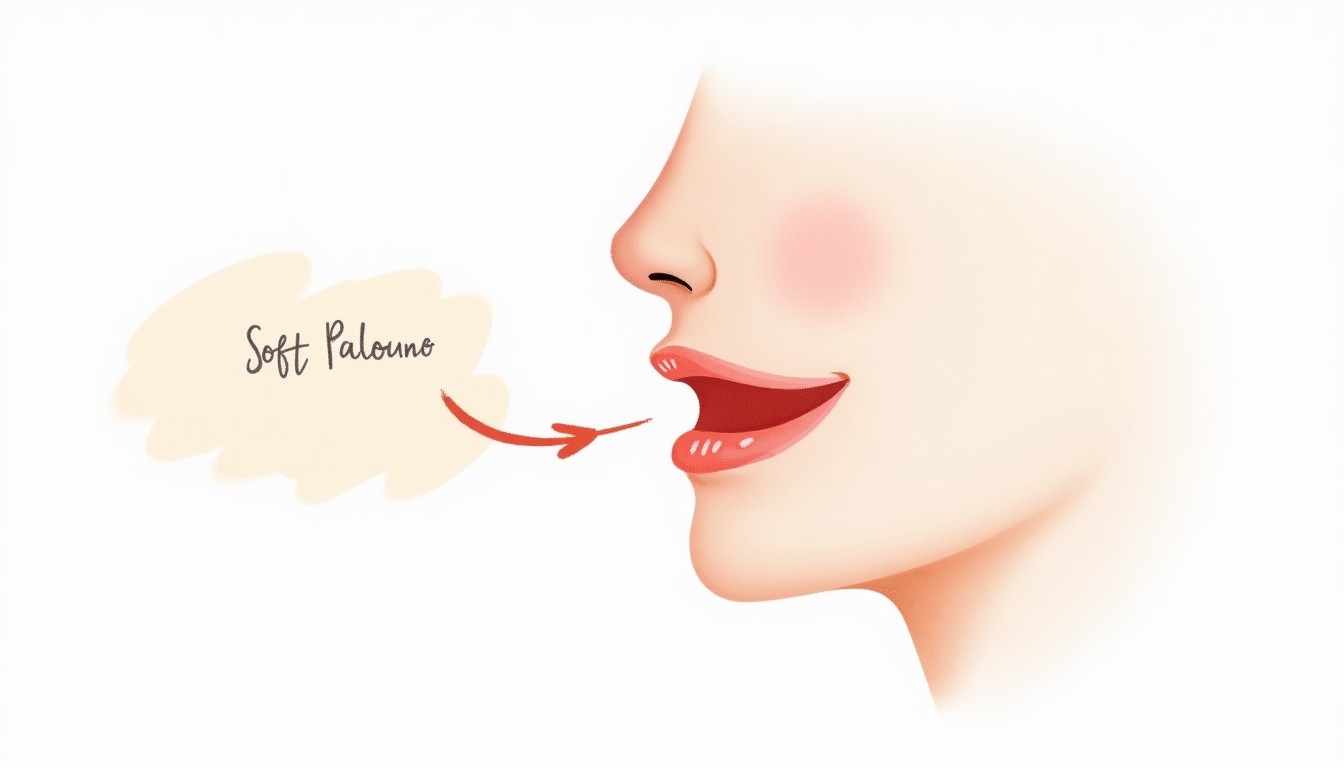
Here is the trick that changes everything. The Dutch "G" is actually produced in the exact same place in your mouth as the letter "K". Don't believe me? Let's try an experiment.
Say the English word "kite". Pay attention to where the back of your tongue touches the roof of your mouth to make that "K" sound. Got it? Okay, now put your tongue in that exact same position, but instead of making a sharp "K" sound, just push air continuously through that narrow gap.
That's it. That friction you're creating? That is the Dutch "G". It's not deep in your throat; it's right up there on the soft palate.
Practice Makes Perfect (or at least understandable)
Let's try it with some actual Dutch words. We'll start small.
- Geel (Yellow): Try saying "Keel" (throat) first to find the spot, then soften the "K" into that continuous friction. De zon is geel. (The sun is yellow.)
- Groot (Big): This one is tricky because it's followed by an "R". Focus on the "G" first. Dat is een groot huis. (That is a big house.)
If you want to really dial this in, the Fluency Tulip is fantastic for pronunciation practice. You can listen to native speakers and compare your own pronunciation until you get it right.
The Soft "G" vs. The Hard "G"
Now, I have a confession to make. There isn't just one Dutch "G". In the northern part of the Netherlands (above the rivers), you'll hear the "hard G" (harde G). This is the scrapier, more forceful version. In the south, and in Belgium, you'll hear the "soft G" (zachte G), which sounds almost like an "H" or a soft "ch" in the Scottish word "loch".
If you're really struggling with the hard "G", there is absolutely no shame in adopting a soft "G". It's 100% correct Dutch, and many learners find it much easier to pronounce. Het is gezellig in het zuiden. (It is cozy in the south.)
Don't Stress the Scrape

The most important thing to remember is not to force it. Pronunciation takes time to develop. Your mouth literally has to build new muscle memory. Don't beat yourself up if you sound a bit rough around the edges at first.
Keep practicing that "K" position trick. Try recording yourself and listening back. If you need some structured listening practice to help tune your ear to the sound, check out our free Dutch podcasts.
You'll get there. Stap voor stap.
