
You ask a Dutch colleague: 'Zullen we vrijdag borrelen?' (Shall we have drinks Friday?) They pause. They look at their calendar. They say: 'Misschien.'
You think: 'Great, a maybe! I'll follow up.' But a week passes. No answer. You send a polite reminder. They reply: 'Oh, sorry, ik kan toch niet.' (Oh sorry, I can't after all.) Wait... what just happened?
Welcome to the Dutch art of the soft no. In the Netherlands, 'misschien' (maybe) is often a polite way of saying 'no' without hurting your feelings. It's not rude; it's just that Dutch people hate direct rejection almost as much as they love directness. So they use 'misschien' as a shield.

Where does this come from?
Dutch culture values efficiency and honesty, but also harmony. Saying 'nee' (no) outright can feel too harsh, especially in social situations. So 'misschien' becomes a gentle buffer. It buys time, saves face, and lets both parties move on without awkwardness. Think of it as the linguistic equivalent of 'I'll let you know' when you both know you won't.
Here's the trick: when a Dutch person says 'misschien', pay attention to their tone and body language. If they say it with a shrug and a quick subject change, it's a no. If they say it with genuine interest and follow up with 'Ik laat het je weten' (I'll let you know), it might be a real maybe.
How to use 'misschien' like a local
If you want to say no gracefully, just say 'Misschien, ik kijk even in mijn agenda' (Maybe, let me check my calendar). Then never bring it up again. It's understood. If you're the one asking and you hear 'misschien', don't chase it. Move on. They'll appreciate you reading the room.
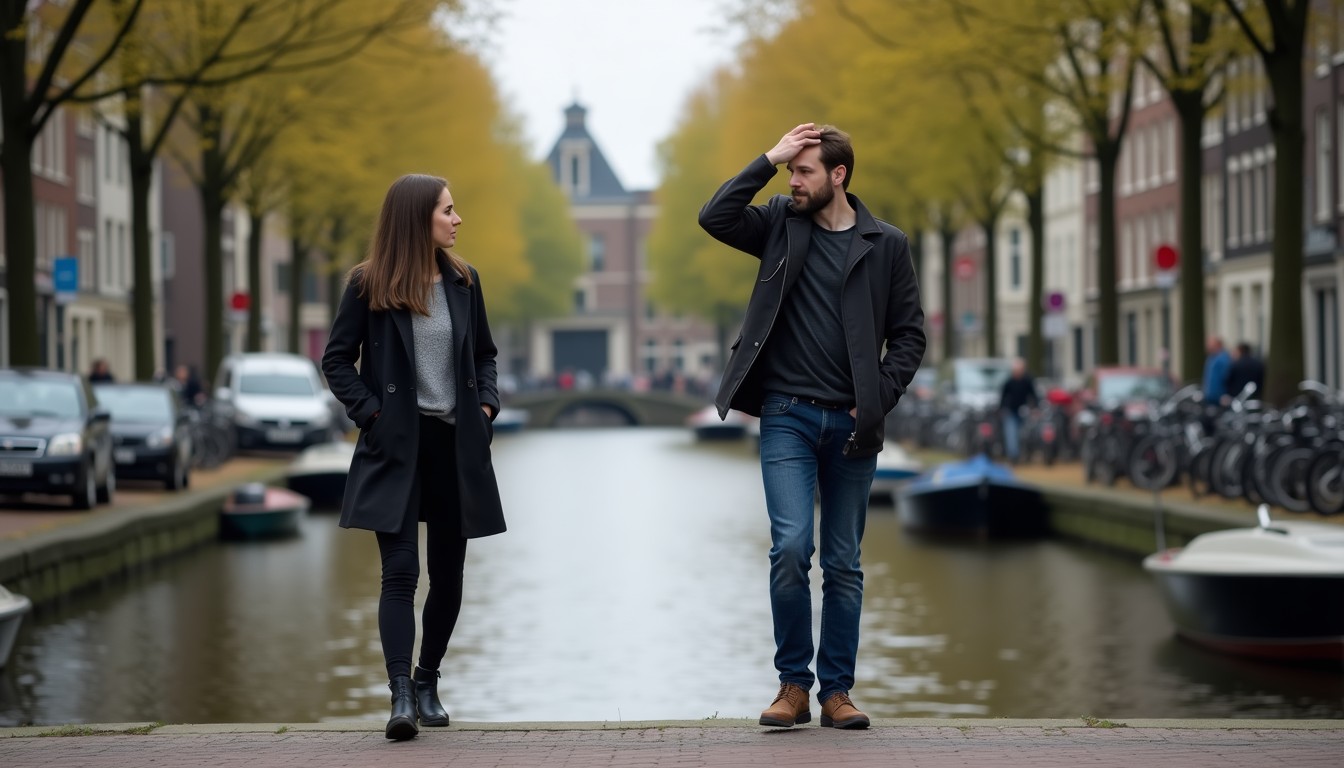
Of course, 'misschien' also has its literal meaning: 'perhaps' or 'maybe'. You'll hear it all the time in everyday conversation. 'Misschien ga ik morgen naar de markt' (Maybe I'll go to the market tomorrow). That's a real maybe. The difference? Context and follow-up.
Want to practice recognizing these subtle cues? The Fluency Tulip has real Dutch conversations where you can hear 'misschien' in action. It's a game-changer for your ear.
A quick test
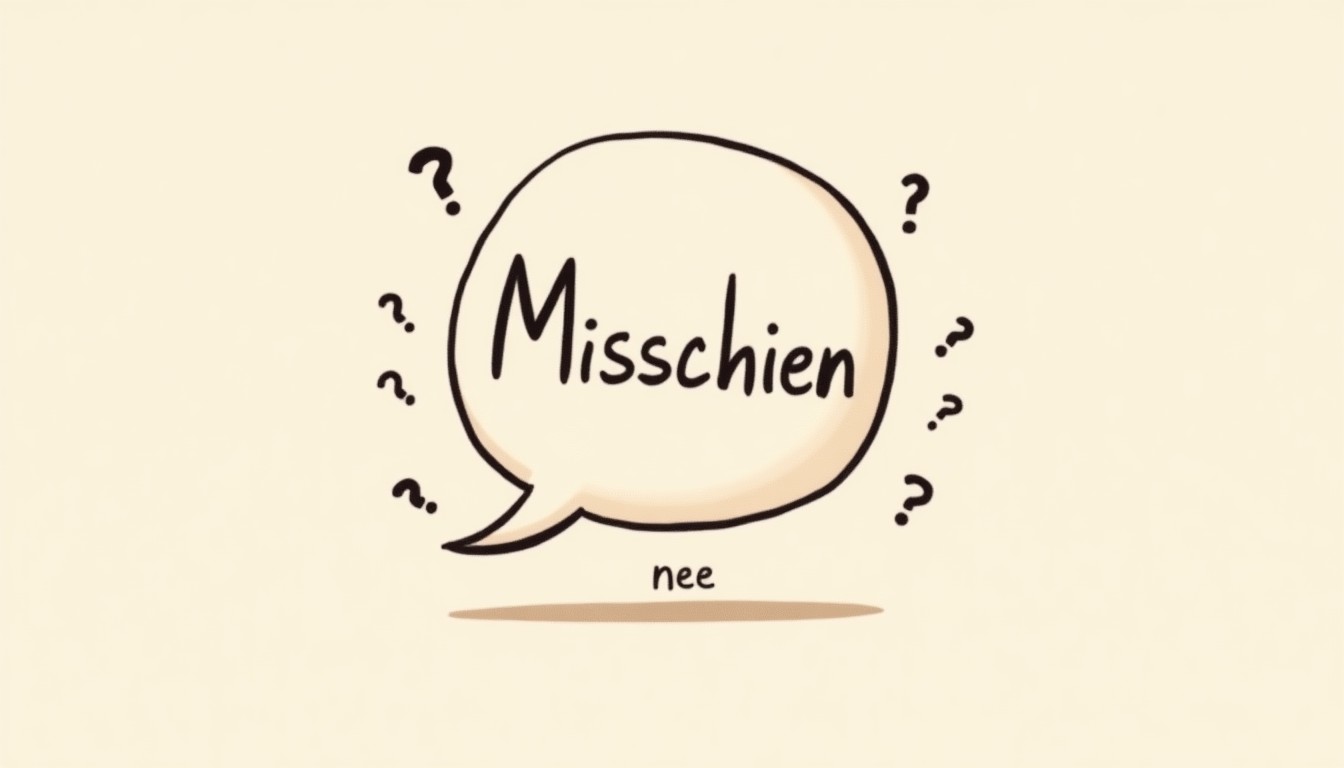
Imagine your friend says: 'Zullen we zaterdag naar het strand gaan?' (Shall we go to the beach Saturday?) You reply: 'Misschien, ik moet nog zien of het weer meezit.' (Maybe, I need to see if the weather cooperates.) Is that a yes or a no? If you're Dutch, it's a soft no. If you're an expat, you might still be packing sunscreen. Don't be that expat.
Goed bezig! Stap voor stap leer je de nuances. Keep listening, keep asking, and soon you'll decode every 'misschien' like a pro.