Dutch Fluency Logo
I can sing!
YouTube Music
Play me!
← Back to all posts
LIGHT
by Rick

The Dutch 'Boterham' That's Not What You Think

TL;DR

Discover why a 'boterham' is a sandwich, not just buttered bread.

You're at a Dutch lunch table. Someone offers you a 'boterham'. You envision a slice of bread with a pat of butter. But what lands on your plate is a full-blown sandwich: cheese, ham, maybe even some hagelslag. Welcome to the wonderfully confusing world of Dutch food words.

The word boterham literally means 'butter ham' (boter = butter, ham = ham). But historically, it just meant a slice of bread. Over time, it evolved to mean any open-faced sandwich, usually on one slice, but sometimes two. Confused yet? Good. That means you're paying attention.

Why This Matters for Learners
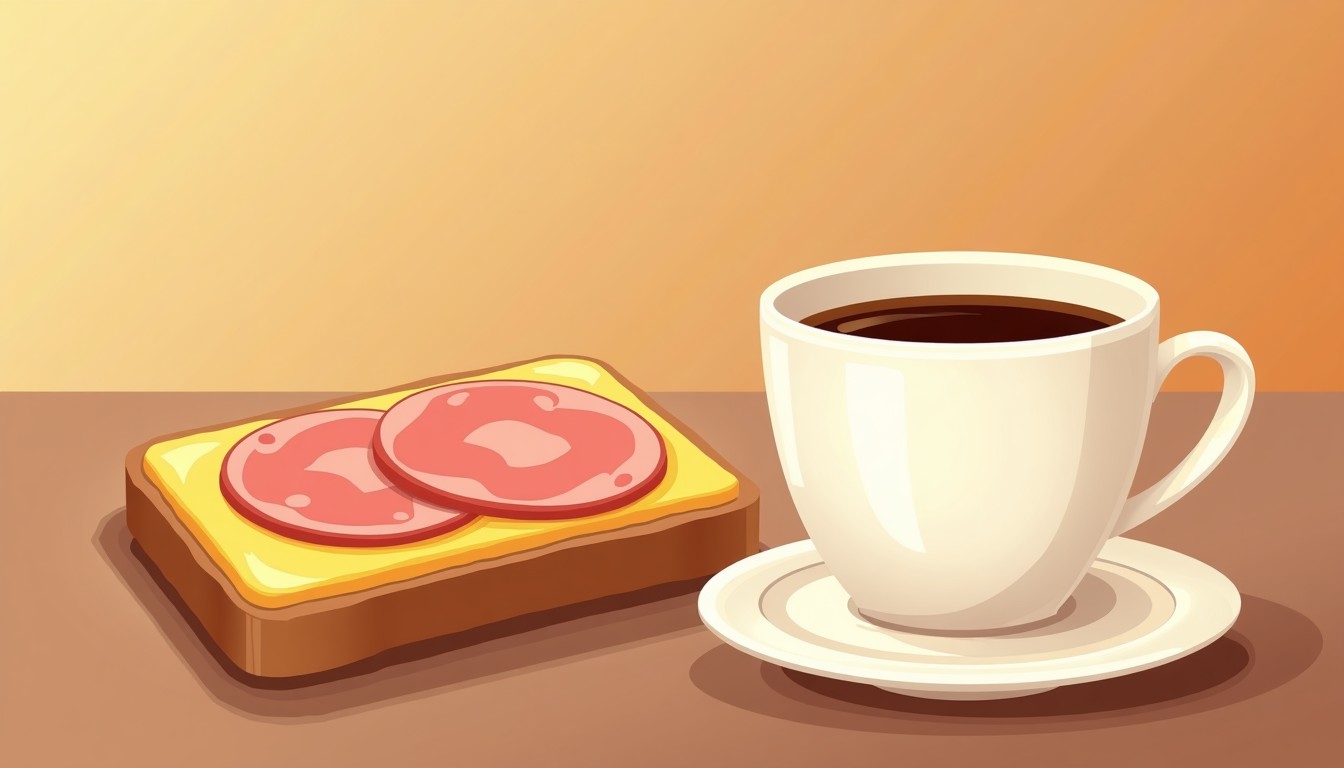
A slice of bread with cheese and ham on a plate, next to a coffee cup on a wooden table.
The classic boterham: one slice, open-faced, and perfect.

When you order a 'boterham kaas' at a cafe, you're asking for a slice of bread with cheese. But if you say 'twee boterhammen', you might get two separate slices, each topped. It's like a linguistic minefield of lunch proportions.

I once watched a student order 'een boterham met pindakaas' and expect a closed sandwich. The waiter brought a single slice with peanut butter. The student looked betrayed. I laughed (sorry, Mark). He learned a valuable lesson: in Dutch, boterham is singular, and it's usually one slice.
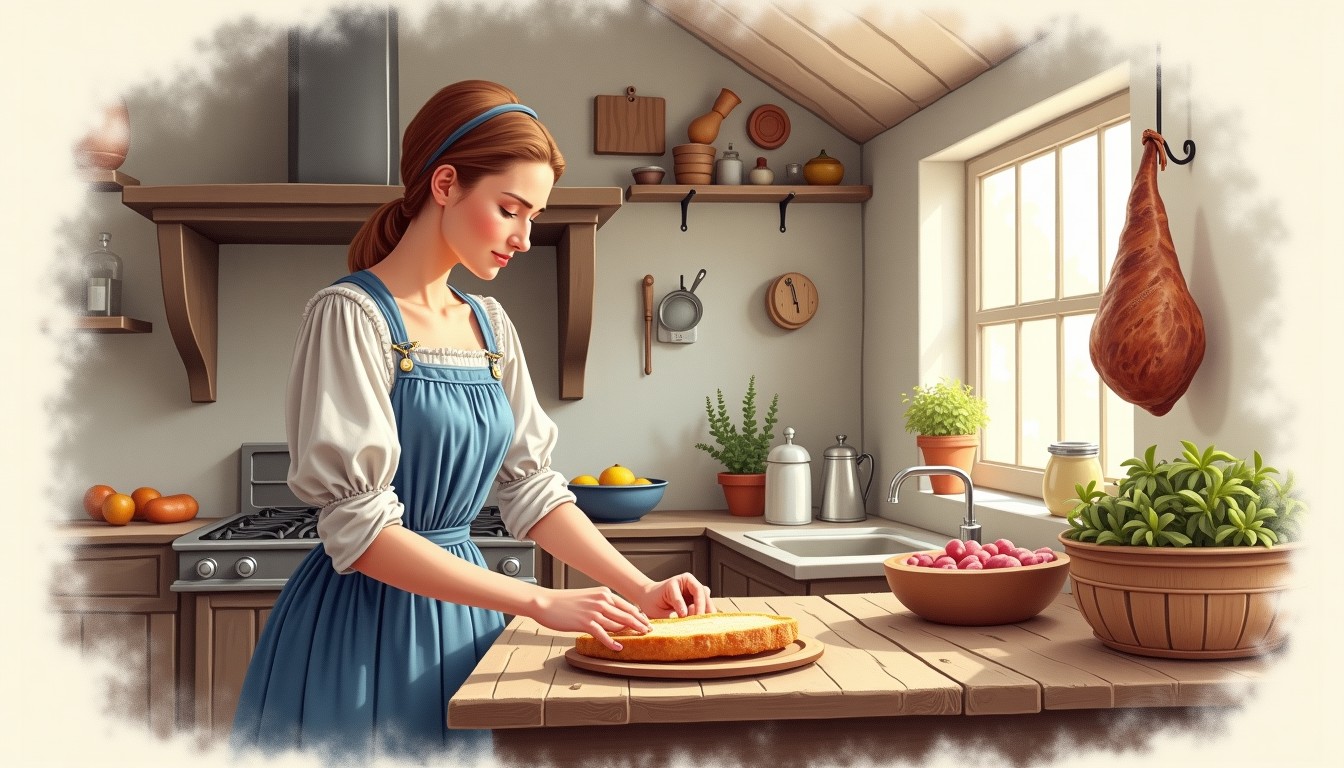
A woman in traditional Dutch clothing buttering bread in a rustic kitchen with a ham hanging from the ceiling.
Back when 'boterham' actually meant butter and ham.

If you want a closed sandwich, ask for een belegd broodje or een tosti (if grilled). But boterham? Keep it open.

The Origin Story

A tourist looking confused at a plate with one slice of bread and peanut butter, with a waiter explaining.
When you expected a closed sandwich but got a boterham.

Back in the day, 'boterham' literally meant a piece of bread with butter and ham, a luxury for farmers. The 'ham' part stuck even when the ham was replaced by cheese or jam. Now it's a generic term for any open-faced sandwich. Language is weird and beautiful.

So next time you're at a Dutch lunch, embrace the boterham. It's simple, honest, and delicious. And if you want two slices, just say twee boterhammen. The waiter will know exactly what to do.
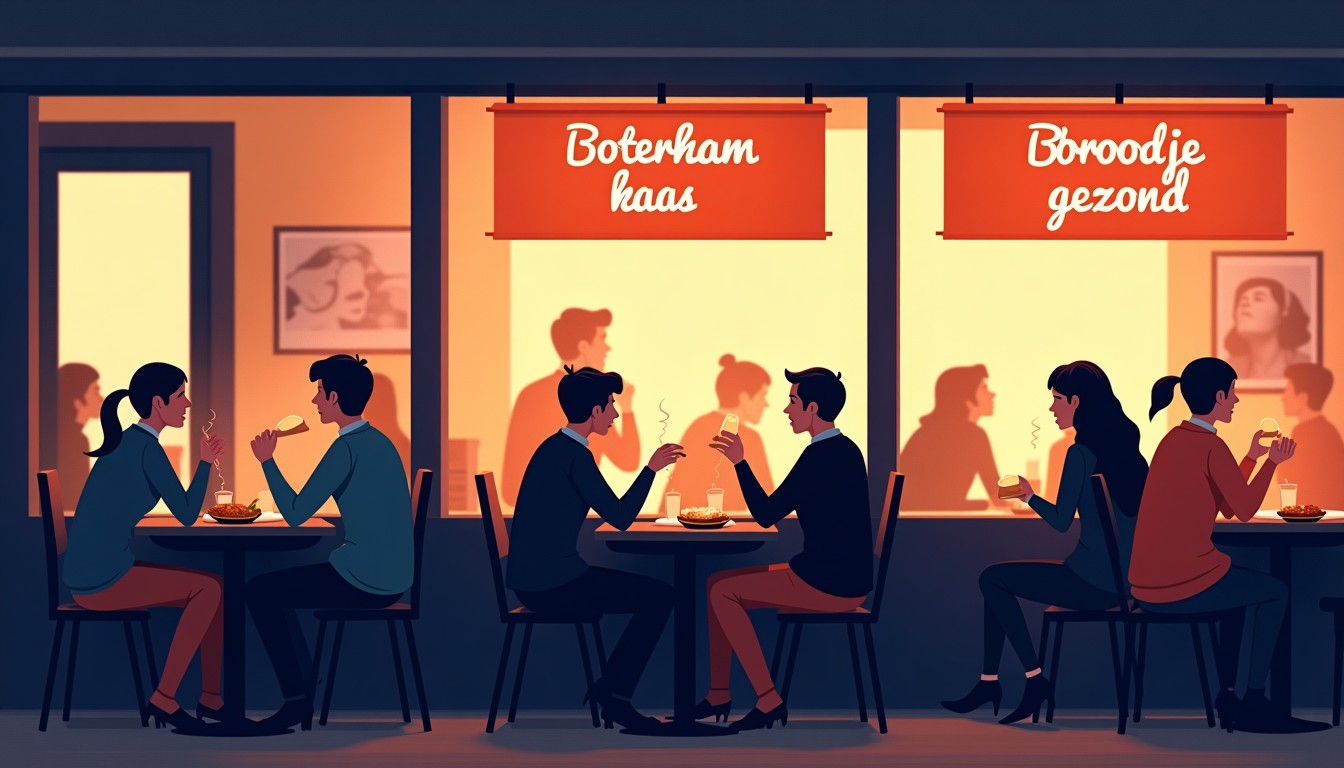
A cozy Dutch lunchroom interior with customers eating open-faced sandwiches at a wooden table.
The boterham: a Dutch lunch staple.

Goed bezig! Stap voor stap.

Woordenschat

Tap each card to reveal the English meaning

Tap to revealboterham
slice of bread / open sandwich

Ik eet een boterham met kaas.

I am eating a slice of bread with cheese.

Tap to revealbelegd broodje
filled sandwich (closed)

Wil je een belegd broodje of een boterham?

Do you want a filled sandwich or an open sandwich?

Tap to revealtosti
grilled sandwich

Een tosti met ham en kaas, alstublieft.

A grilled ham and cheese sandwich, please.

PRACTICE THIS

Dagboek

Get corrected Dutch back with audio and songs.

Write about your day

Frequently Asked Questions

Can I use 'boterham' for a closed sandwich?

No, 'boterham' is usually one open slice. For a closed sandwich, say 'belegd broodje' or 'tosti'.

Why does 'boterham' have 'ham' in it?

Historically, it was bread with butter and ham, but now it means any open-faced sandwich.

Is 'boterham' formal or informal?

It's neutral, common in both casual and formal settings.

Stap voor stap.

Every post is a small step. The apps make the next step easier.