
You've heard the word 'gezellig' a thousand times. But do you really know what it means? Most learners translate it as 'cozy,' but that's like saying a Van Gogh is 'pretty.' It misses the soul.
Gezelligheid is a feeling, a vibe, a cultural touchstone. It's the warmth of a candlelit dinner with friends, the chatter in a packed café, the satisfaction of a shared laugh. It's not just a word; it's a way of life.
What Gezellig Really Means
Gezellig describes an atmosphere, a person, or an event that feels right. A 'gezellig' evening isn't just pleasant; it's connecting. A 'gezellig' person isn't just nice; they make others feel included. Think of it as the opposite of 'steriel' (sterile) or 'kil' (cold).
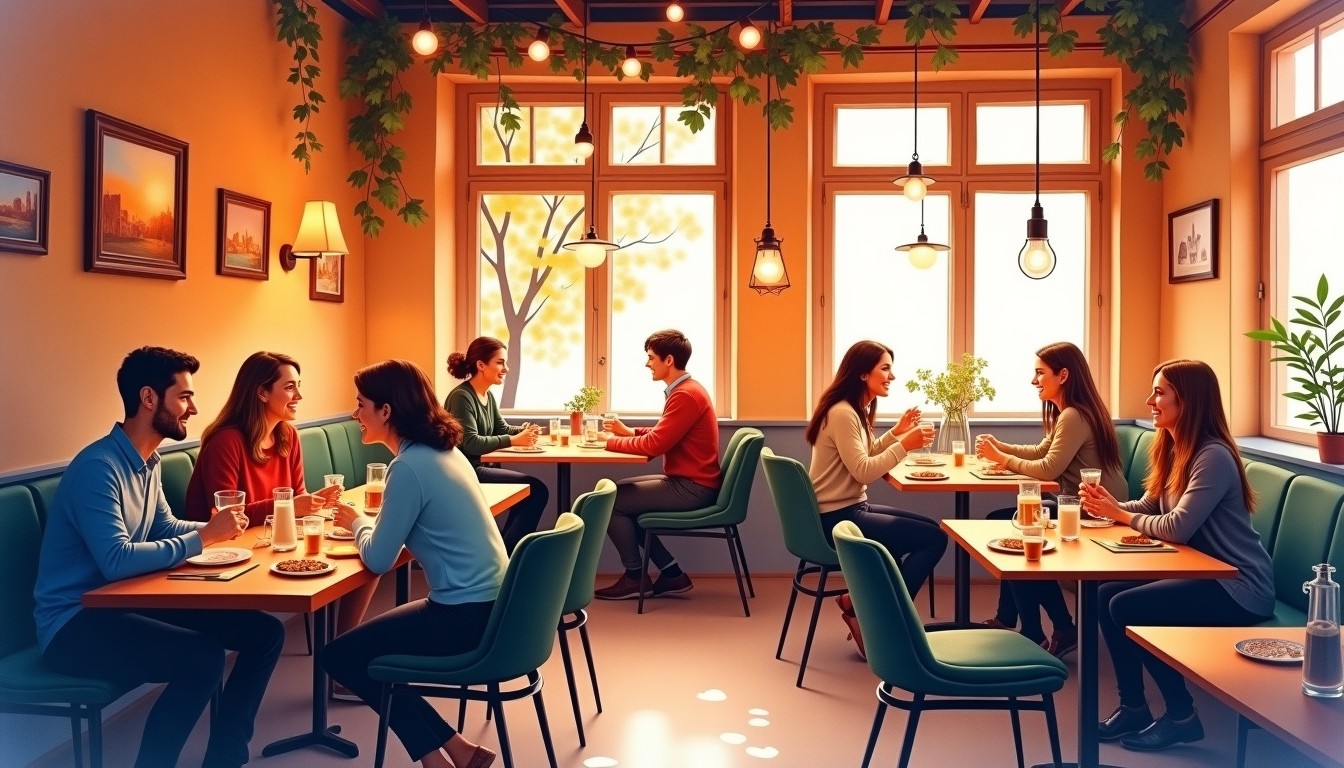
Example: Wat een gezellig feestje! (What a cozy party!) It implies good company, laughter, and maybe some bitterballen.
How to Use It Like a Native
You can say 'gezellig' about almost anything positive that involves people. A 'gezellig' park bench where friends chat. A 'gezellig' café with dim lights and soft music. Even a 'gezellig' conversation on the phone.
But be careful: don't use it for solitary activities. Reading a book alone is 'ontspannend' (relaxing), not 'gezellig.' It needs a social element.
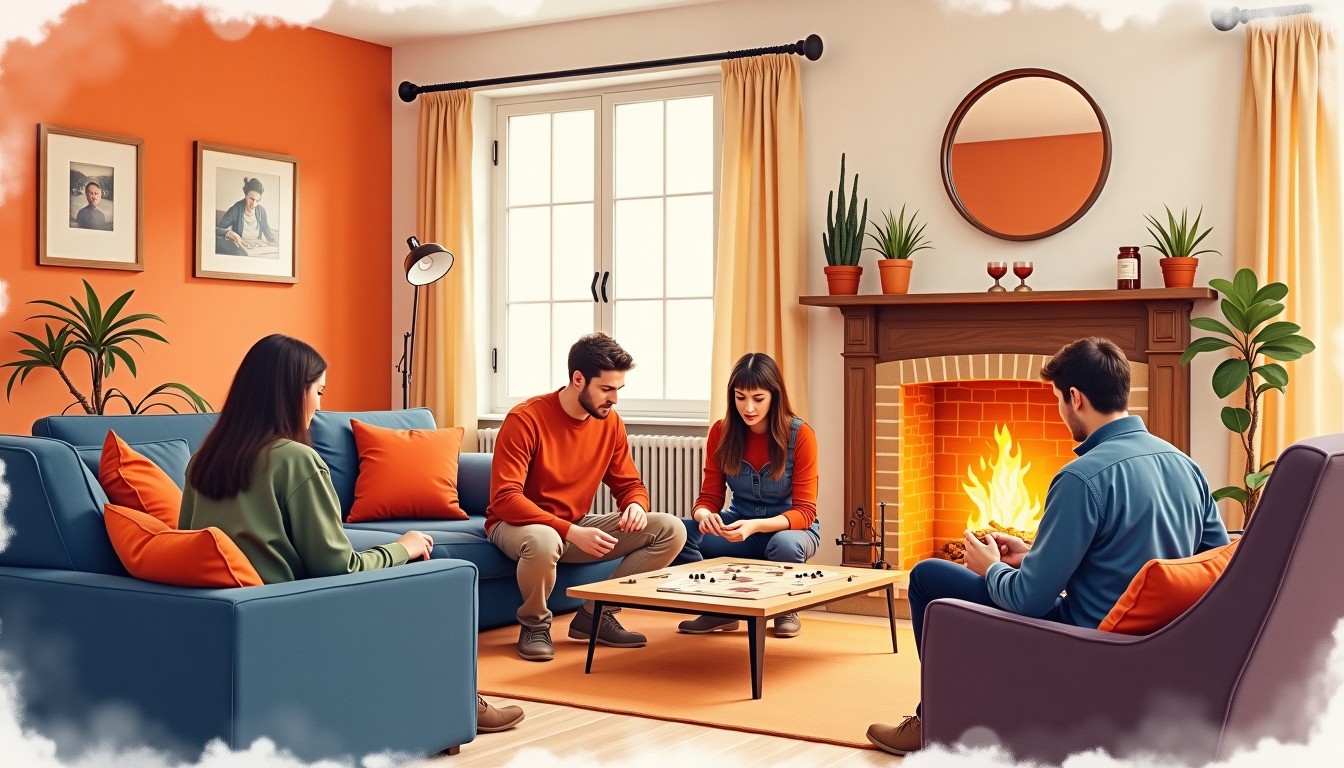
To sound natural, combine it with other words: Het was heel gezellig (It was very cozy), Wat gezellig dat je er bent! (How nice that you're here!).
Why It Matters for Your Dutch
Mastering 'gezellig' unlocks a cultural key. Dutch people use it constantly. When you use it right, they light up. You're not just speaking their language; you're speaking their heart.
To practice, try writing about a recent social event using 'gezellig' in your Dagboek. Describe the atmosphere, the people, the feeling. Then get feedback on your usage.
Or, listen to our free podcasts where native speakers use 'gezellig' in context. Notice when and how they say it. Imitate their tone.
Gezelligheid is a feeling you can learn. And once you do, you'll never see the word 'cozy' the same way again.
FAQ
Can I use 'gezellig' for a place? Yes, if it feels warm and inviting. A 'gezellig' restaurant is one where you want to stay for hours.

Is 'gezellig' only for social situations? Mostly, but you can also say a room is 'gezellig' if it's decorated warmly, as long as it invites socializing.
What's the opposite of 'gezellig'? 'Ongezellig' means uncozy, cold, or awkward. Use it for empty rooms or tense gatherings.
How do I pronounce 'gezellig'? The 'g' is a hard guttural sound, like in 'goedemorgen.' The 'll' is like in 'lamp.' Stress the second syllable: ge-ZEL-lig.
