
Picture this: it's a grey Tuesday. You've been staring at your screen for four hours. Your brain feels like wet cement. A Dutch colleague leans over and says, "Ik ga even uitwaaien." Then they disappear for twenty minutes and come back looking like a completely different person.
What just happened?
They went uitwaaien. And once you understand what that actually means, you'll wonder how you ever lived without the concept.
So What Does Uitwaaien Actually Mean?
Uitwaaien (pronounced roughly as "out-vah-yen") literally breaks down like this: uit means "out," and waaien means "to blow" or "to be windy." Put them together and you get something like "to blow out," but that translation misses the entire soul of the word.
In practice, uitwaaien means going outside, usually somewhere open like a beach, a field, or a canal path, specifically to let the wind hit you, clear your head, and reset your mind. It's not a walk for exercise. It's not running errands. It's deliberately stepping into the wind to let it blow the mental clutter right out of you.
It is, without question, one of the most Dutch things that exists.
Why the Wind? Why Not Just "Going for a Walk"?

Here's what makes uitwaaien different from just "taking a break" or "getting some fresh air." The wind is not incidental. The wind is the point.
Dutch people have a long, complicated, deeply personal relationship with wind. This is a flat country. There are no mountains to block it, no forests dense enough to stop it. Wind is just part of life here, every single day. Rather than resent it, Dutch culture decided at some point to harness it. Windmills. Sails. And yes, uitwaaien.
The idea is that the wind literally blows away stress, bad thoughts, and mental fog. It's almost meditative, but without the sitting still. Very Dutch, actually. Why sit quietly when you can be outside getting battered by a coastal breeze?
Here's an example sentence you can use right away:
"Na een lange vergadering ga ik altijd even uitwaaien op het strand."
("After a long meeting, I always go for a blow-out walk on the beach.")
The Cultural Layer Underneath the Word
Uitwaaien isn't just a quirky word. It tells you something real about Dutch values.
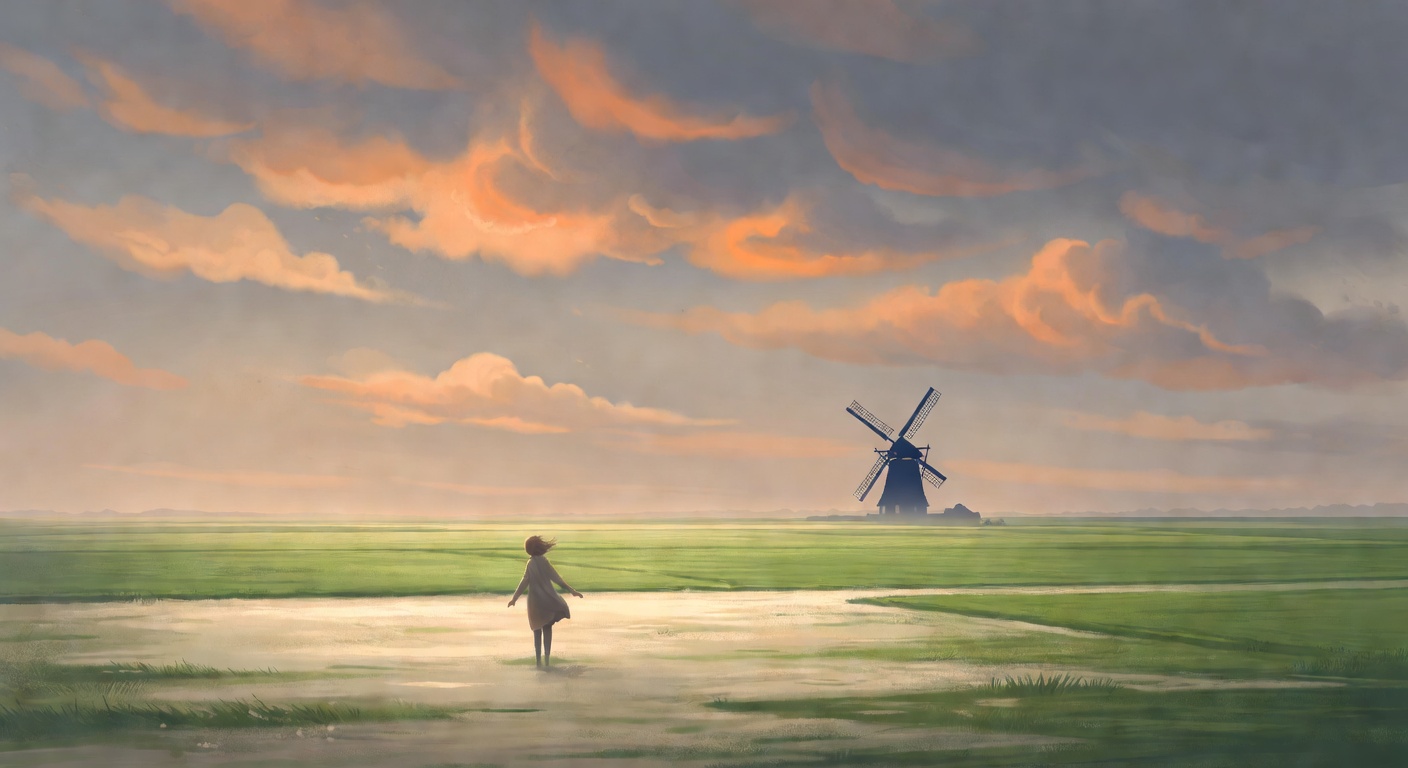
Dutch people are famously practical. They don't tend to romanticize struggle or glorify being busy. If your head is full and you need to reset, you go outside. Simple. Effective. Done. There's no drama about it, no guilt, no "I really should keep working." You just go, you come back clearer, and life continues.
There's also something quietly defiant about uitwaaien. You're not hiding from the Dutch weather. You're walking straight into it. On purpose. That's a mentality that runs deep here.
Expats often spend their first Dutch winter battling the weather, pulling on coats, wincing at the wind, cursing the grey skies. Dutch people, meanwhile, are just... out there. In it. Living. Uitwaaien is part of why.
How to Use Uitwaaien in Real Conversation
The beauty of this word is how naturally it drops into everyday speech. You don't need a special occasion. You just need a full head and a nearby open space.
Try these:
- "Ik moet even uitwaaien, ik ben zo moe." ("I need to go uitwaaien, I'm so tired.")
- "Zullen we gaan uitwaaien aan zee?" ("Shall we go uitwaaien at the beach?")
- "Even uitwaaien en dan ga ik verder." ("A quick uitwaaien and then I'll keep going.")
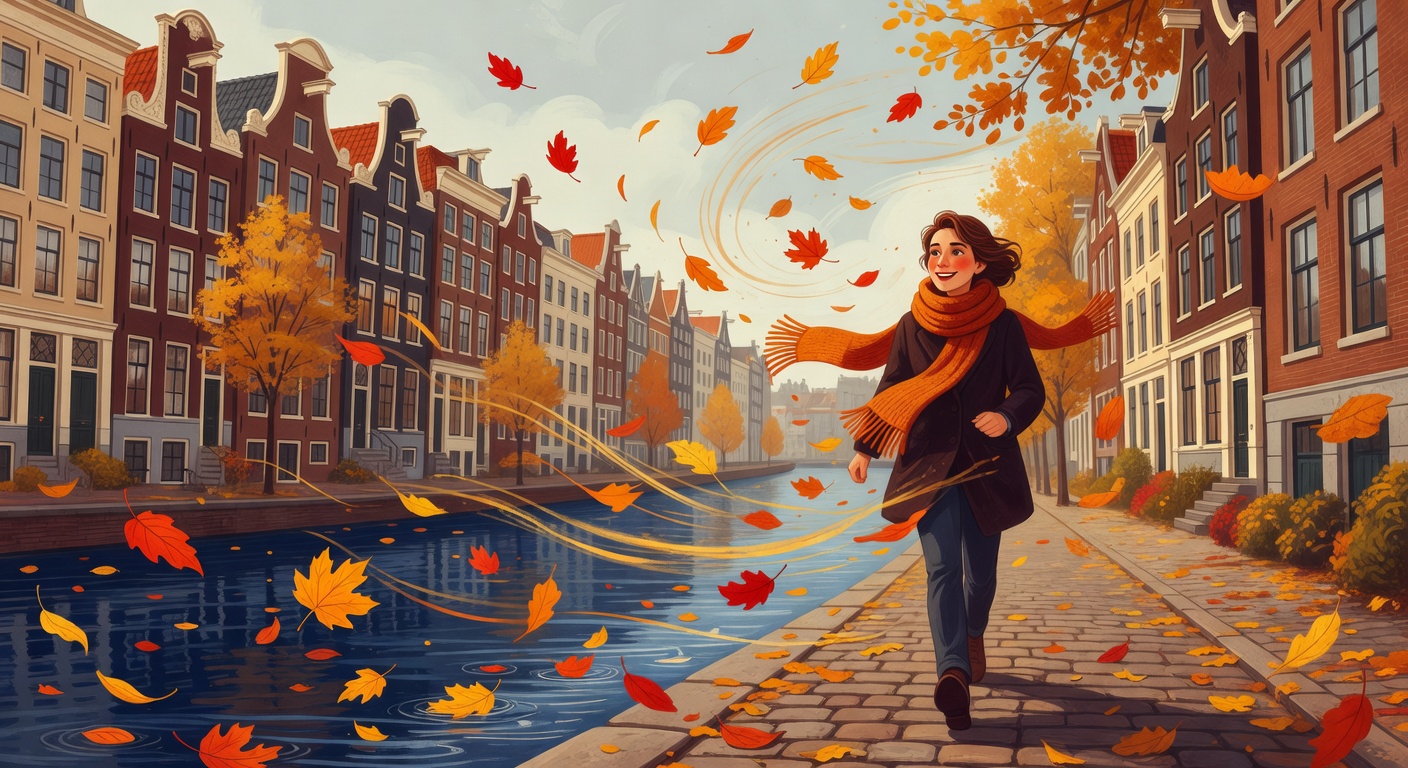
Notice how it works as a verb, and how it carries its own complete meaning. You don't need to explain what you're doing or why. Every Dutch person instantly understands, and they'll probably nod approvingly.
Why Words Like This Make You a Better Dutch Speaker
Learning a word like uitwaaien isn't just about adding vocabulary. It's about stepping inside the Dutch way of seeing the world.
When you have a word for something, you start noticing it. You start doing it. You start feeling it. Suddenly you're not just a person who studies Dutch, you're a person who thinks a little bit Dutch. That shift is enormous for your fluency.
This is exactly the kind of thing I love about learning a language. It doesn't just give you new words. It gives you new lenses.
If you want to explore more of these culturally rich Dutch concepts through listening and real context, the Jouw Podcast is a brilliant way to hear them used naturally in topics you actually care about. Nothing beats hearing a word like uitwaaien used in a real sentence by a real voice.
And if you want to start writing your own Dutch thoughts, even something as simple as "Ik ga uitwaaien vandaag," the Dagboek app will take whatever you write and give you a beautiful Dutch version back, with audio. It's one of the fastest ways to make new vocabulary stick.

Go Take Your Brain Outside
Next time your head is full, you know what to do. Step outside. Find somewhere open. Let the wind do its thing. You're not just going for a walk. You're uitwaaien.
And honestly? That's a very Dutch thing to feel proud about.
Stap voor stap, you're not just learning the language. You're learning how to live it. Goed bezig.
Vocabulary Table
| Dutch | English | Example Sentence |
|---|---|---|
| uitwaaien | to go out in the wind to clear your head | Ik ga even uitwaaien. (I'm going for a quick uitwaaien.) |
| uit | out | Kom naar buiten, ga even uit. (Come outside, go out for a bit.) |
| waaien | to blow / to be windy | Het waait hard vandaag. (It's very windy today.) |
| het strand | the beach | We gaan naar het strand om uit te waaien. (We're going to the beach to uitwaaien.) |
| de vergadering | the meeting | Na de vergadering had ik frisse lucht nodig. (After the meeting I needed fresh air.) |
| moe | tired | Ik ben zo moe van al het werken. (I'm so tired from all the work.) |
| de stress | stress | Uitwaaien helpt tegen stress. (Uitwaaien helps against stress.) |
| het hoofd leegmaken | to clear your head | Ik moet mijn hoofd even leegmaken. (I need to clear my head.) |
| buiten | outside | Ga maar even buiten staan. (Just go stand outside for a bit.) |
| de frisse lucht | the fresh air | Frisse lucht doet wonderen. (Fresh air does wonders.) |
| plat | flat | Nederland is een plat land. (The Netherlands is a flat country.) |
| de kust | the coast | Aan de kust waait het altijd. (It's always windy at the coast.) |