
So, you're at work, and the coffee machine breaks down. Someone has to go tell the boss. Your colleagues turn to you with a sympathetic look and say, "Jij bent het haasje." You stare back, confused. "I am... the little hare?"
Yes, you are. And it means you're in trouble, or at the very least, you're the unlucky one who has to do the dirty work. Welcome to the wonderful, slightly unhinged world of Dutch idioms.
The Origin of the Unlucky Hare
The phrase het haasje zijn (literally: to be the little hare) is a classic example of how Dutch takes a cute animal and turns it into a symbol of impending doom. But where does it come from?

Historically, hares were hunted for sport. They were fast, yes, but they were also the prey. The one being chased. The one who, inevitably, ended up in the stew. So, when you are the "little hare," you are the victim of circumstance. You're the one caught in the headlights, about to get proverbially eaten.
Let's look at how you'd use it in real life:
Als je je huiswerk niet maakt, ben je morgen het haasje bij de leraar.
If you don't do your homework, you'll be the unlucky one with the teacher tomorrow.
How to Use It Without Sounding Weird
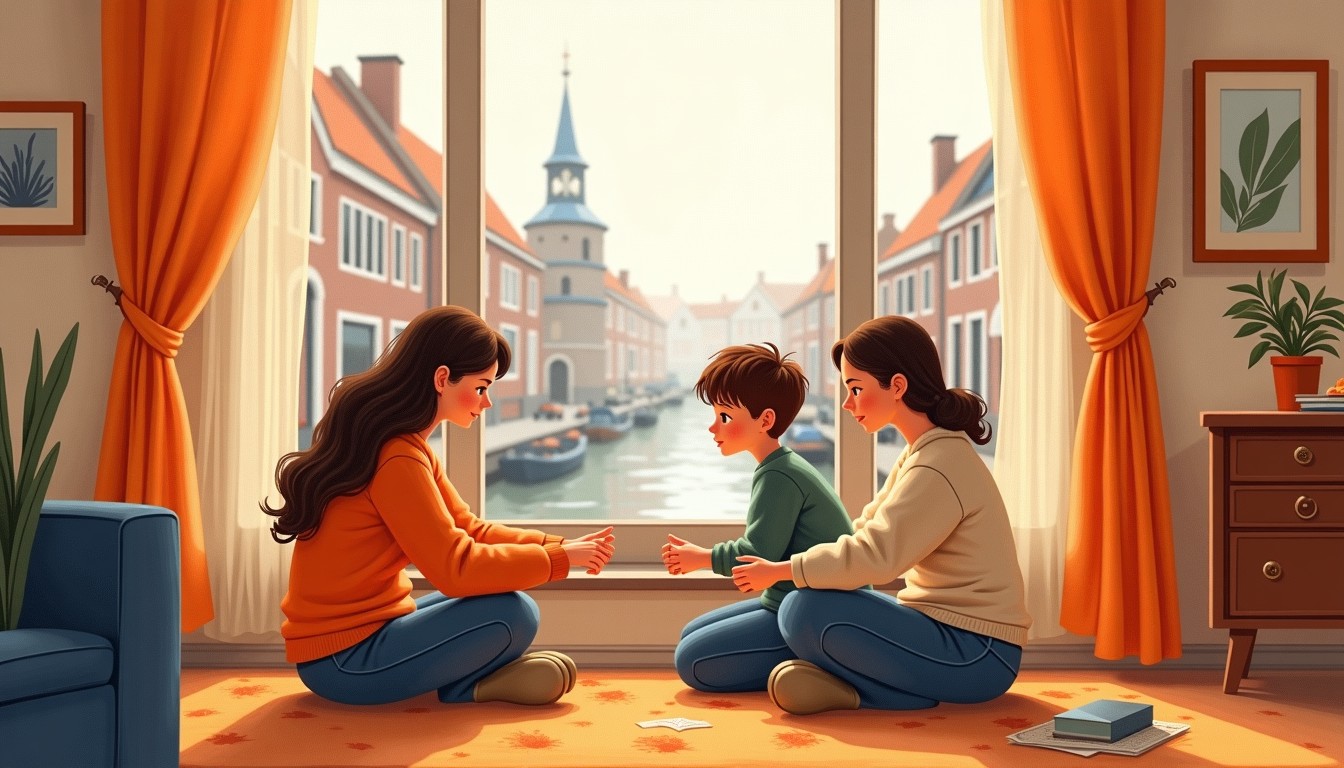
The beauty of this idiom is its versatility. It's not just for serious trouble; it's often used for mild inconveniences or when someone draws the short straw.
Imagine a group of friends deciding who has to bike through the rain to get more bitterballen. The loser of rock-paper-scissors? Die is het haasje. (That one is the little hare.)
It's important to note the diminutive form. You are not a haas (hare). You are a haasje (little hare). The Dutch love their diminutives, and adding "-je" somehow makes the impending doom feel a little softer, a little more gezellig. If you want to dive deeper into the wild world of Dutch vocabulary and idioms, checking out the DFL Reading Method is a great way to see these phrases in context.

Other Animal-Themed Disasters
The Dutch don't stop at hares when it comes to expressing misfortune through fauna. If you want to sound truly native, try throwing these into your next conversation:
- De klos zijn: (To be the bobbin/spool). Very similar to being the hare. Ik ben weer de klos. (I'm the unlucky one again.)
- De sjaak zijn: (To be the Jacques). Nobody really knows who Jacques was, but he apparently had a terrible time. Nu ben je echt de sjaak! (Now you're really in trouble!)
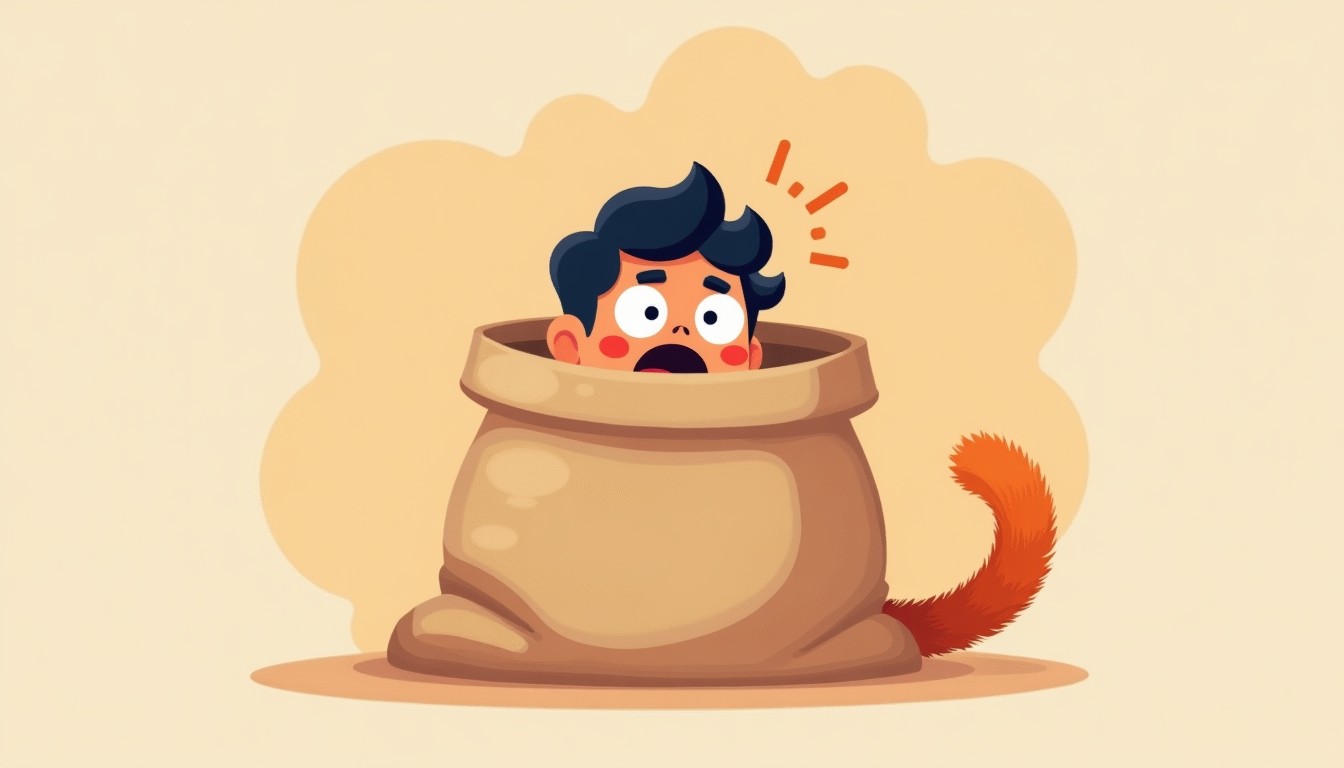
- Een kat in de zak kopen: (To buy a cat in the bag). Buying something sight unseen and getting scammed. Dat was een echte kat in de zak. (That was a real rip-off.)
If you're struggling to remember all these quirky phrases, writing them down in a daily journal can really help them stick. The Dagboek app is perfect for this, you write in English, and it gives you the natural Dutch equivalent, idioms and all.
Embrace the Hare
Next time you find yourself stuck with the worst task, or caught making a mistake, just shrug and say, "Tja, ik ben het haasje." Your Dutch friends will laugh, appreciate your linguistic flair, and then probably still make you do the task.
Don't be afraid to make mistakes with these idioms. That's how you learn. Stap voor stap, you'll get the hang of it. Goed bezig!