If you've spent more than five minutes in the Netherlands, you've heard it. It's muttered under breaths during rainstorms, shouted across busy terraces, and whispered as a compliment. I'm talking, of course, about the word lekker.
Most beginners learn that lekker means "tasty" or "delicious." And while that's true, a stroopwafel is undoubtedly lekker, limiting this powerhouse of a word to mere culinary approval is like saying a bicycle is just a way to avoid walking. You're missing the entire cultural philosophy behind it.
To truly speak Dutch naturally, you have to understand that lekker isn't just an adjective; it's a state of being, a mood, and sometimes, a subtle passive-aggressive weapon.
The Spectrum of "Lekker"
Let's break down how this word shape-shifts depending on context. It's the linguistic equivalent of a Swiss Army knife. If you want to grasp how native speakers actually use it, you need to look beyond the textbook definition.

First, there's the physical sensation. Lekker warm (nice and warm) or lekker zacht (nice and soft). Here, it amplifies a positive feeling. But it goes deeper into personal well-being. If someone asks how you are, and you say, "Ik zit lekker in mijn vel" (literally: I sit deliciously in my skin), it means you're feeling great mentally and physically. It's a profound statement wrapped in a casual phrase.
Then, there's the behavioral lekker. Ever been told to "doe lekker normaal"? It roughly translates to "just act normal," but the lekker adds a layer of Dutch pragmatism. It's a gentle (or not-so-gentle) reminder not to overcomplicate things or act too eccentric. This is where you see the cultural value of blending in rather than standing out.
Getting a feel for these nuances takes time and exposure. It's why I always recommend building a habit of listening to native speakers in context. You can start tuning your ear with resources like our free Dutch podcasts, which are great for catching these everyday expressions as they're naturally spoken.
The Sarcastic "Lekker"
Now, here's where it gets tricky for learners. Lekker has a dark side. It can be dripping with sarcasm.
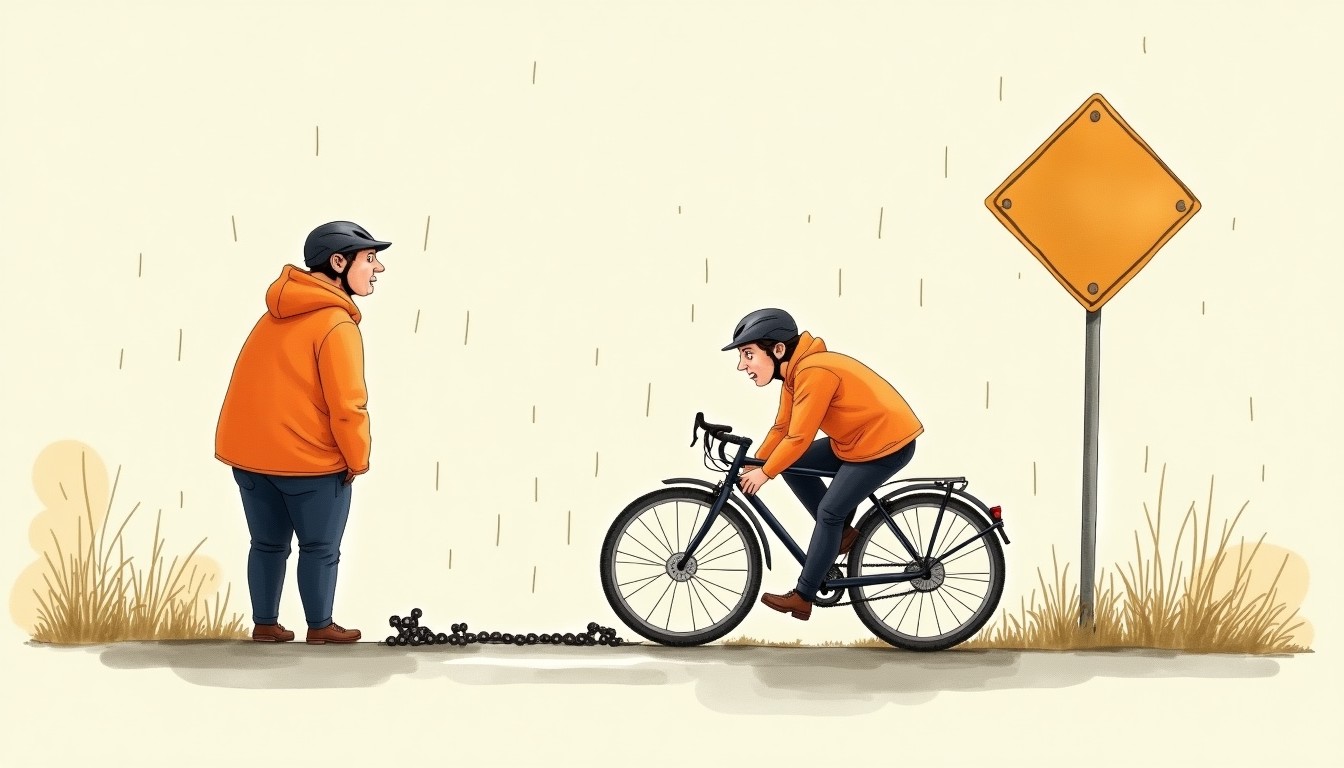
Imagine you're running late, it's pouring rain, and your bicycle chain snaps. A passing Dutch person might look at you and say, "Lekker dan" (Well, that's just great). They don't think your situation is delicious or comfortable. They are acknowledging your misery with a uniquely Dutch brand of dry sympathy.
Or consider "Lekker belangrijk" (Deliciously important). If you hear this, know that the speaker thinks whatever you're talking about is utterly trivial. It's the Dutch equivalent of a slow clap.
Mastering these tonal shifts is crucial for moving past the beginner stage. You can't just read about it; you have to practice it. A great way to start using these expressions yourself without the pressure of a live conversation is by incorporating them into your daily writing. If you jot down your thoughts in the Dagboek app, you can test out using lekker in different contexts and get feedback on whether you nailed the tone.
How to Start Using It Today

So, how do you incorporate this into your own Dutch without sounding like you're trying too hard? Start small.
- Agreeing with enthusiasm: When someone suggests a good idea (like grabbing a coffee), simply respond with a drawn-out "Lekker!"
- Wishing someone well: Before someone goes to sleep, say "Slaap lekker" (Sleep deliciously/well). Before they start a task, say "Werk ze, lekker bezig!" (Work hard, you're doing great!).
- Expressing comfort: When you finally sit down on the couch after a long day, sigh and say, "He he, lekker zitten."
The key is confidence. Don't overthink it. Lekker is a word meant to be felt as much as spoken. If you want to really dial in your pronunciation so you sound natural when you say it, practicing with the Tulip Trainer can help you match the intonation and rhythm of native speakers.
Embrace the versatility of lekker. It's your passport to sounding less like a textbook and more like a local. Keep practicing, keep listening, and soon enough, speaking Dutch will feel, well... lekker.
