
You've just finished a hearty Dutch meal. Stamppot, maybe. Or a thick slice of appeltaart met slagroom. Your stomach is happy. Your brain says: move. But something else takes over. You sink into the couch. You unbutton your jeans. You stare at the wall.
You're not being lazy. You're doing uitbuiken.
This glorious Dutch word literally means "out-belllying" or "to let your belly stick out." It's the sacred ritual of doing absolutely nothing after eating, letting your stomach settle, and embracing the food coma. In the Netherlands, uitbuiken isn't a guilty pleasure. It's practically a national sport.
Where Did This Come From?
Picture a cold, rainy Sunday in the 19th century. The family has just finished a heavy meal of erwtensoep and roggebrood. The fireplace is crackling. The chairs are creaky. Nobody moves. The Dutch, being practical people, gave this moment a name. Uitbuiken was born.

It's not just about digestion. It's about taking time. In a culture that values efficiency and directness, uitbuiken is a deliberate pause. A permission slip to do nothing. And that's something expats often miss.
Why Expats Need This Word
When you're learning Dutch, you focus on grammar, vocab, and pronunciation. But words like uitbuiken carry the culture's soul. They teach you how Dutch people relate to time, food, and rest. If you can say "Ik ga even uitbuiken" (I'm going to lounge for a bit after eating), you're not just speaking Dutch. You're living it.
Here's a quick example:
- "Na het eten ga ik even op de bank uitbuiken." (After dinner, I'm going to lounge on the couch.)
See how natural that feels? You're not just translating. You're adopting a lifestyle.
The Fine Art of Uitbuiken
How do you do it properly? First, you need food. Preferably something hearty. Then, you find a comfortable spot. A couch, a lazy chair, or maybe a bed. You loosen your belt. You sigh. And you let time pass without guilt.
It's not napping. It's not sleeping. It's a semi-conscious state of bliss. Some people read. Some people watch TV. Others just stare at the ceiling. The key is: no productivity. No chores. No checking your phone for work emails. Just you and your belly.

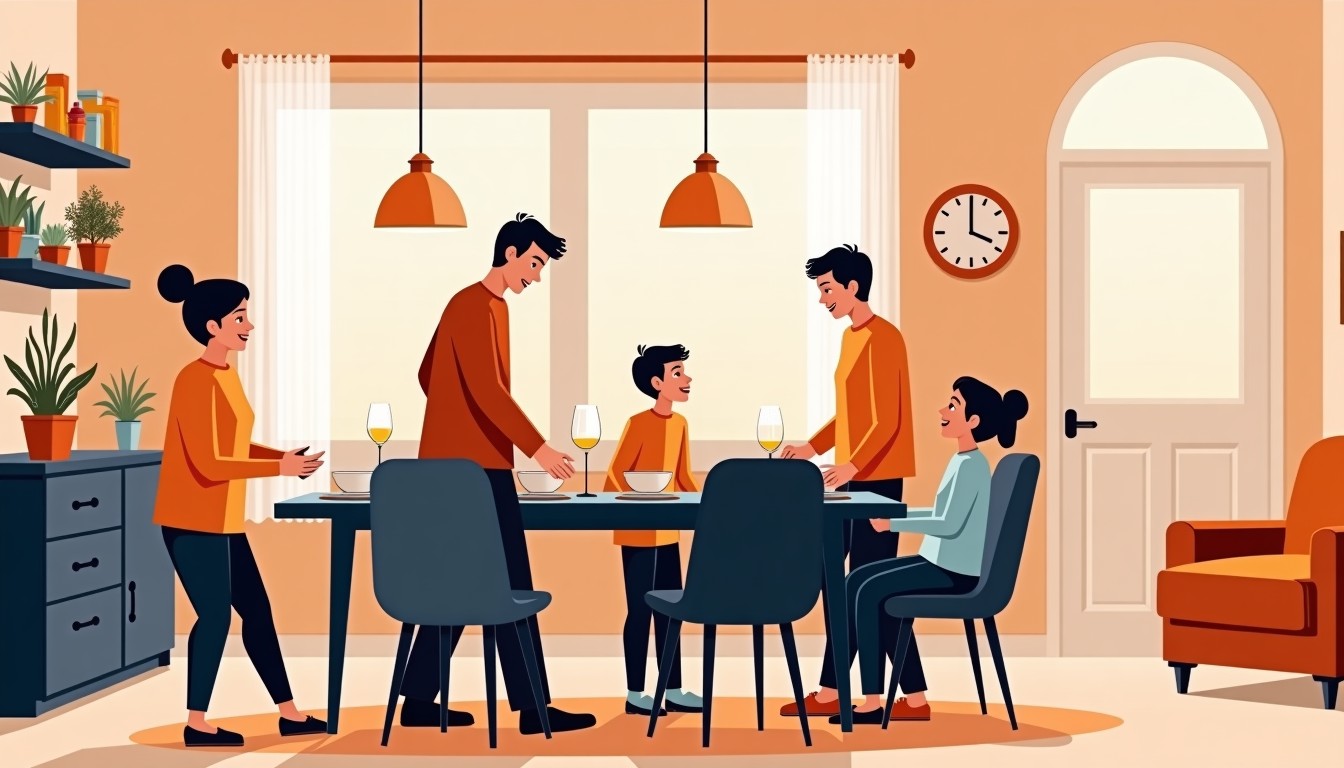
In Dutch culture, uitbuiken is often shared. After Sunday lunch with family, everyone collapses in the living room. It's a bonding experience. You're together, but you're not talking. That's okay. It's a silent communion of digestion.
A Word That Teaches You to Slow Down
As an expat, you might feel pressure to always be learning, always be improving. But Dutch culture reminds you to rest. Uitbuiken is the perfect metaphor for your language journey. You can't stuff your brain with vocab 24/7. Sometimes, you need to let it settle. Let the grammar digest. Let the sounds marinate.
So next time you finish a meal, try it. Say to your Dutch friends, "Ik ga even uitbuiken", and watch their faces light up. You're not just speaking their language. You're speaking their rhythm.
How to Practice This (and Actually Learn Dutch)
If you want to get better at Dutch, you need to listen and read a lot. That's where the free Dutch podcasts come in handy. You can listen while you uitbuiken. Passive listening, active digestion. Perfect combo.
And if you want to write about your uitbuiken experiences, try the Dagboek app. It's a diary that gives you Dutch feedback. You can write about your food coma in English, and it'll come back in Dutch. Like a personal language coach that understands your need for rest.
Goed Bezig!
Remember, learning Dutch isn't just about conjugating verbs. It's about embracing the culture, one cozy word at a time. So take a break. Uitbuiken. You've earned it.
