Dutch Fluency
Find my levelLevel
Login

How we got here

It started as a Google Sheet.

Before there was a website, there was one master sheet that ran a whole language school.

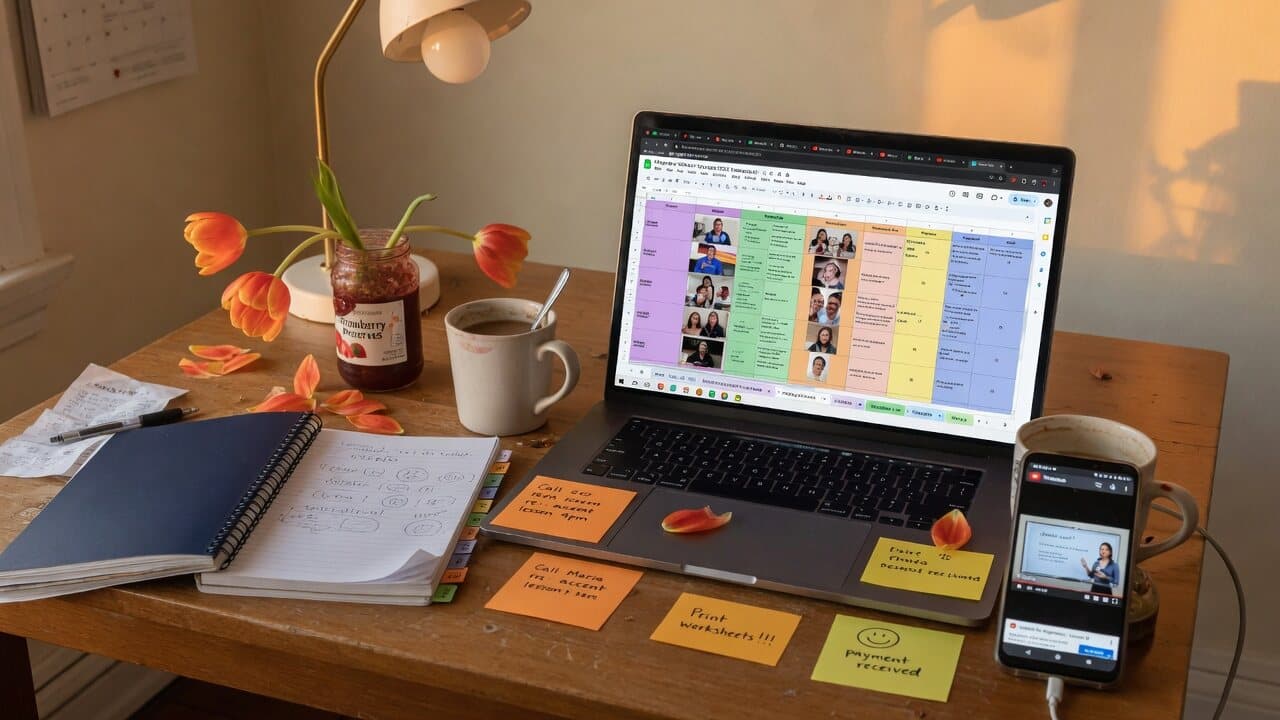
A kitchen table with a laptop full of coloured spreadsheet tabs, tulips, coffee and sticky notes.

Before a website, this was the school.

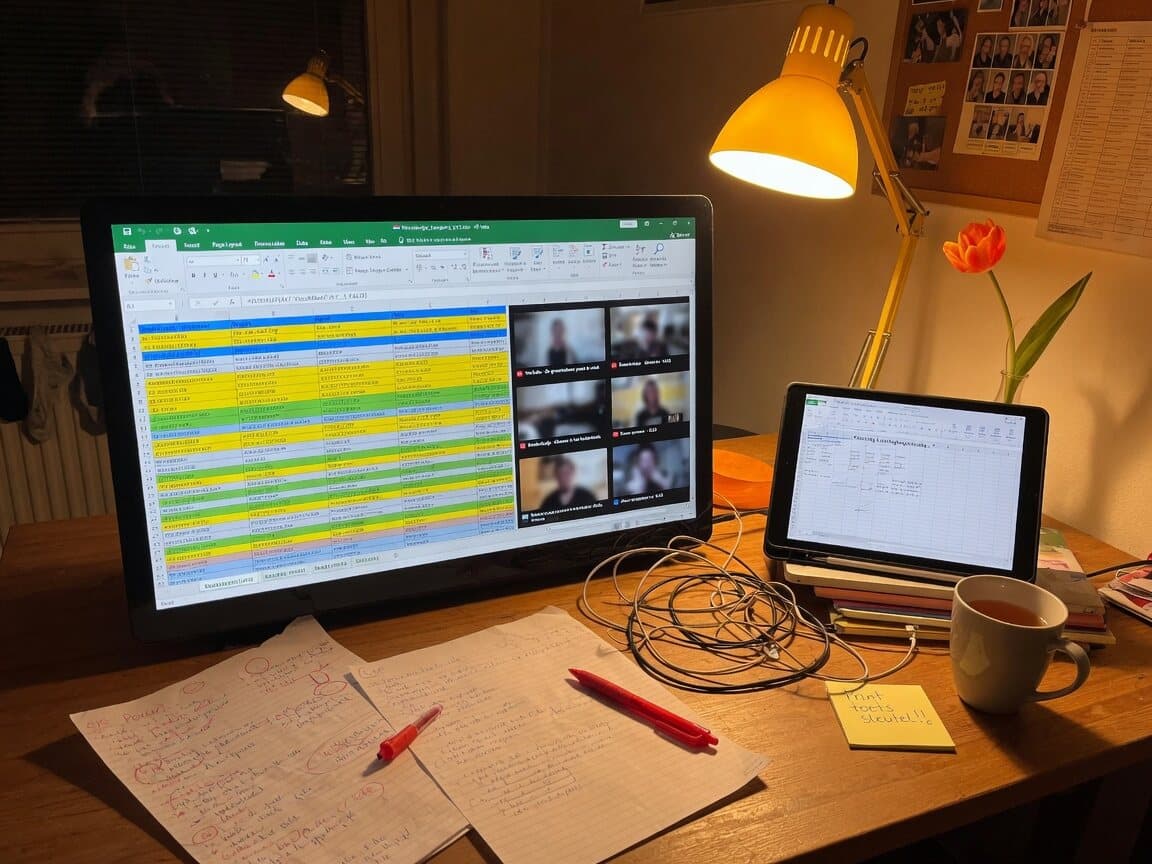
A night desk with a huge spreadsheet of lessons and videos, a second sheet on a tablet, handwritten lists.

01

The sheet that ruled them all

The first software was an automated 4-exercise system inside Google Sheets. YouTube links, auto translations, saved words, word pickers, story builders, weekly stories and videos. Dozens of sheets talking to each other. One master sheet in charge.

One master sheet. Dozens of tabs. YouTube on the side.
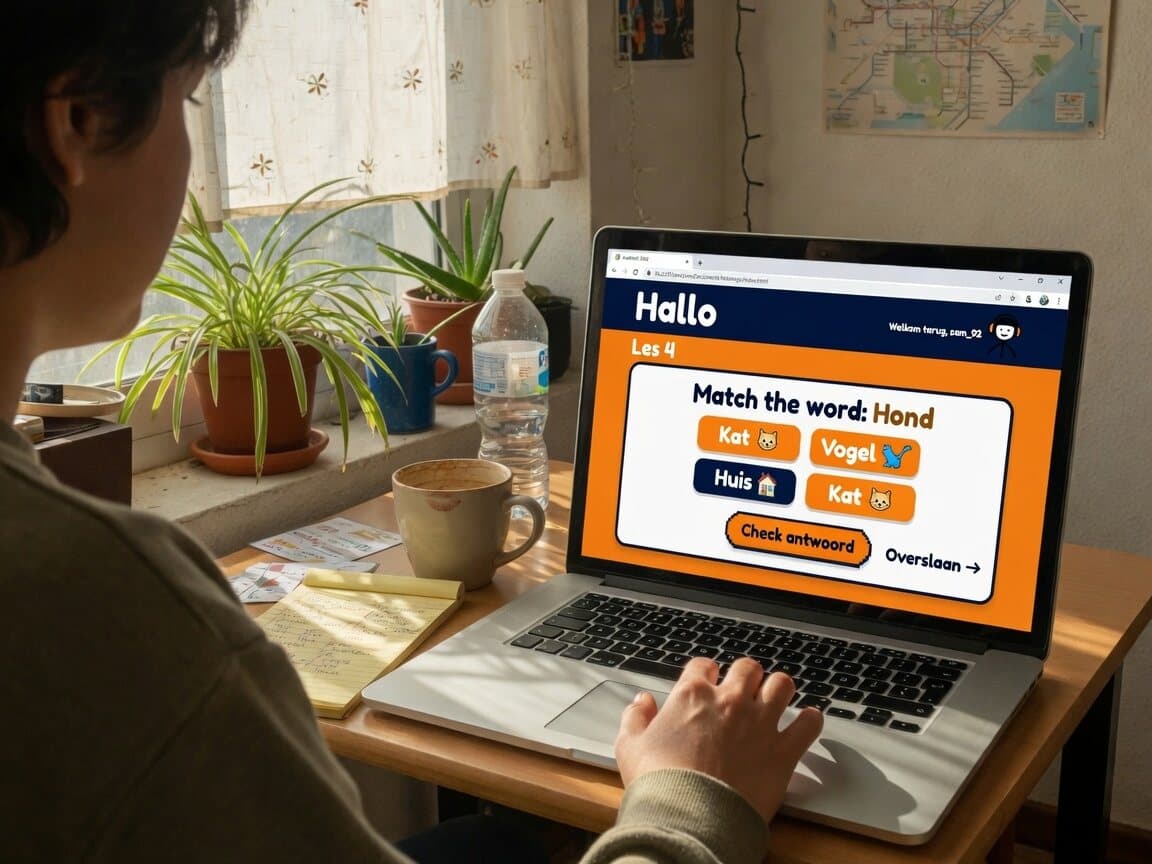
Someone opening an early homemade Dutch exercise page on a laptop in a sunny apartment.

02

Then a real UI

When GPT arrived, the sheet world became the first MVPs with actual screens: login, exercises, a page you could open. Ugly, then less ugly, then something people could use without a spreadsheet tab.

Then a page you could actually open.

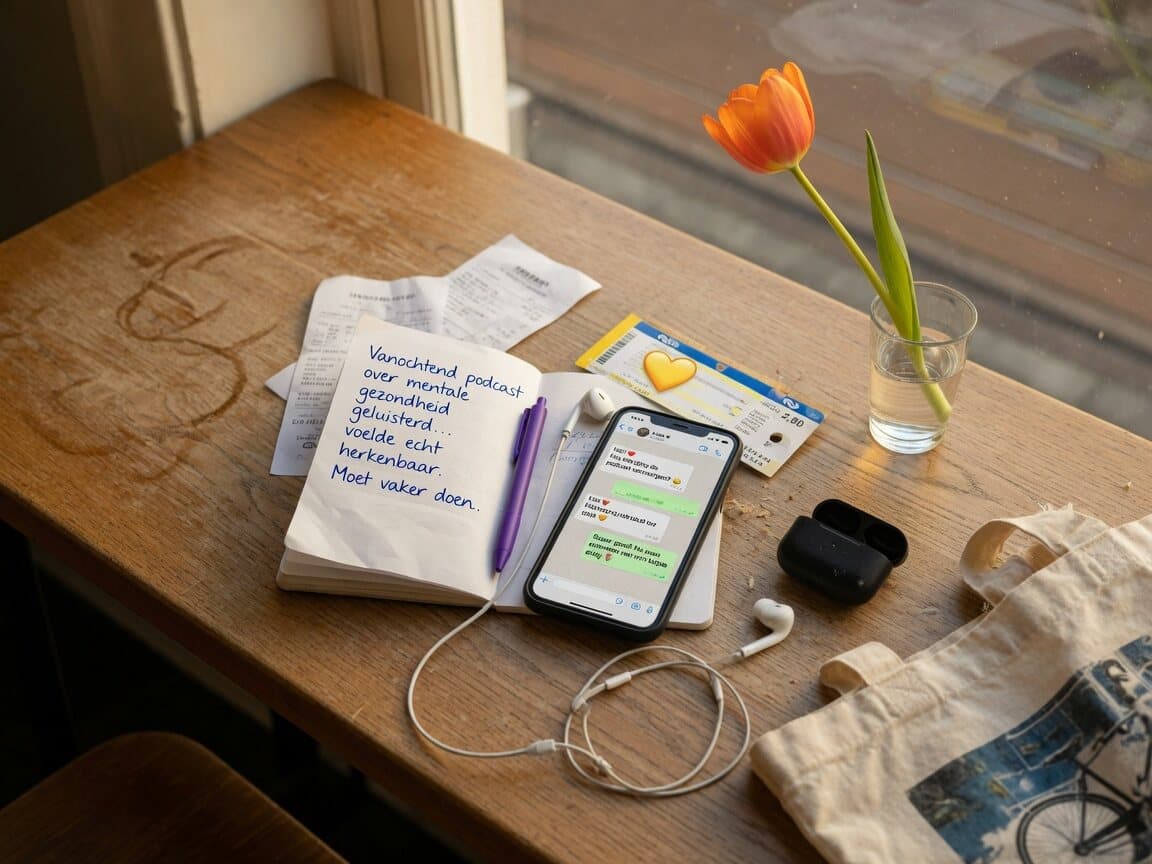
A cafe table with a Dutch journal, headphones, a chat on a phone, a train ticket and a tulip.

03

Then we kept going

Podcasts, Dagboek, apps, WhatsApp, classrooms. Ups and downs. Teaching income still goes back into systems and materials. The point is not a finished product. The point is Dutch that keeps showing up.

Dutch in the pocket, on the tram, in the journal.

Working on a tropical evening balcony with a laptop, a tulip, and the city still awake.

The work still happens while Europe sleeps. Dutch that keeps showing up.