
I was sitting in a café in Utrecht last week when I overheard a conversation that nearly made me spit out my coffee. An expat, clearly enthusiastic about his weekend, was telling his Dutch colleague about a visit from his parents.
"Ja," he said proudly, "mijn moeder is heel lekker." (Yes, my mother is very tasty/hot.)
His colleague's eyes went wide. There was a long, agonizing pause before the colleague managed a weak, "Goh, wat leuk?"
The "Lekker" Minefield

This is a classic rite of passage for anyone learning Dutch. The word "lekker" is incredibly versatile. You learn early on that a stroopwafel is lekker, the weather is lekker, and sitting on the couch after a long day is lekker. It seems to mean "nice" or "good" in almost every context.
But there is one massive, potentially embarrassing exception: describing people.
When you describe a person as "lekker," you are almost always commenting on their physical attractiveness in a sexual way. It's the Dutch equivalent of calling someone "hot" or "sexy."
What He Actually Meant
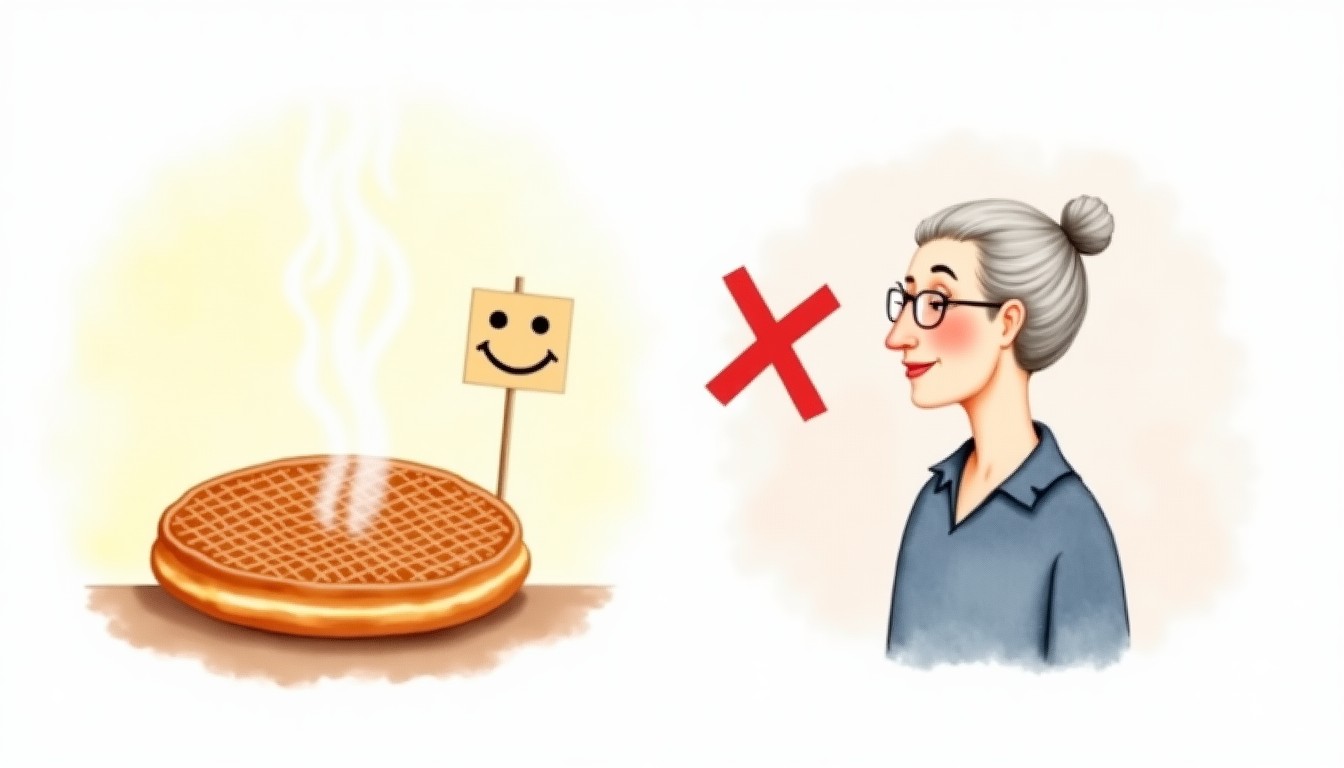
Our friend in the café didn't mean his mother was hot. He meant she was sweet, kind, or pleasant to be around. He was trying to translate "My mother is a nice person."
So, what should he have said? Here are the words you actually need when talking about people's personalities:
- Aardig: This is your go-to word for "nice" or "kind." Mijn moeder is heel aardig. (My mother is very kind.)
- Lief: This means "sweet" or "endearing." Wat een lieve vrouw. (What a sweet woman.)
- Gezellig: The famous untranslatable word, but in this context, it means someone is fun to hang out with. Mijn oom is altijd erg gezellig. (My uncle is always very good company.)
When CAN You Use Lekker for People?

There are a few very specific, non-sexual situations where you can use "lekker" in relation to people, but they are usually part of fixed expressions.
For example, you can say someone is lekker bezig (doing a great job). If someone finishes a project early, you might say, "Zo, jij bent lekker bezig!" (Wow, you're doing great!)
You can also ask someone if they are feeling lekker in je vel (comfortable in your own skin/feeling good). Zit je lekker in je vel? (Are you feeling good?)
The Golden Rule

If you take away one thing from this post, let it be this: If you are talking about food, the weather, or an activity, go wild with "lekker." If you are talking about a family member, a colleague, or a friend's personality, use "aardig" or "lief."
Trust me, it will save you a lot of awkward conversations at the coffee machine. If you want to practice using these adjectives in real-life contexts, trying out the Dutch diary app is a fantastic way to write out sentences and get immediate feedback on your word choice.
Making mistakes is part of the process. Every time you say something slightly embarrassing, you create a memory that ensures you'll never make that mistake again. Keep practicing, keep talking, and remember: stap voor stap.
