
You know that feeling when a meeting drags on, everyone talks, and somehow a decision actually gets made? That's polderen. And it's the secret behind almost everything in the Netherlands.
What is polderen?
Polderen comes from the word polder (land reclaimed from water). To survive, Dutch people had to work together to build dikes and pump out water. So they got really good at talking until everyone agrees. That's polderen: discussion, compromise, consensus.
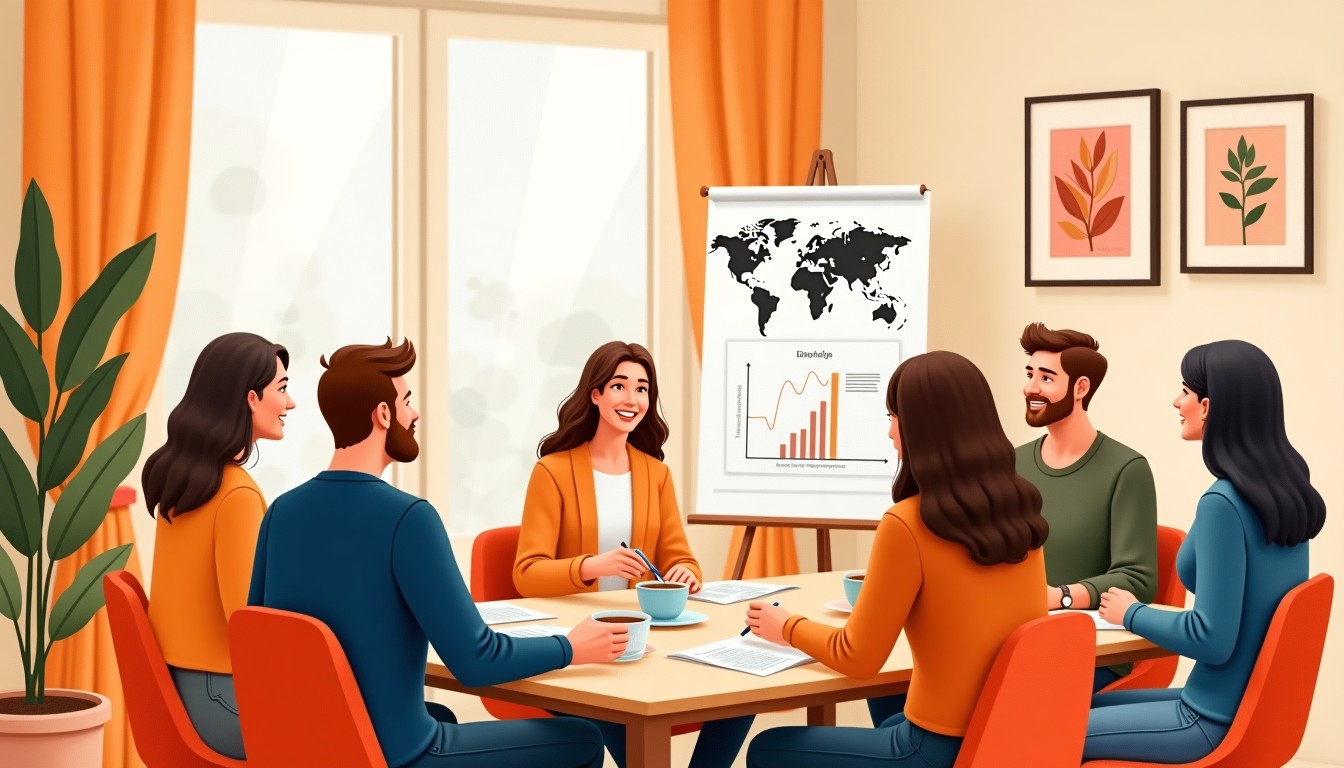
You hear it everywhere. In the office: "We gaan daar nog even over polderen." (We're going to discuss that a bit more.) At home: "Laten we polderen over de vakantiebestemming." (Let's negotiate the holiday destination.)
How to polder as a language learner
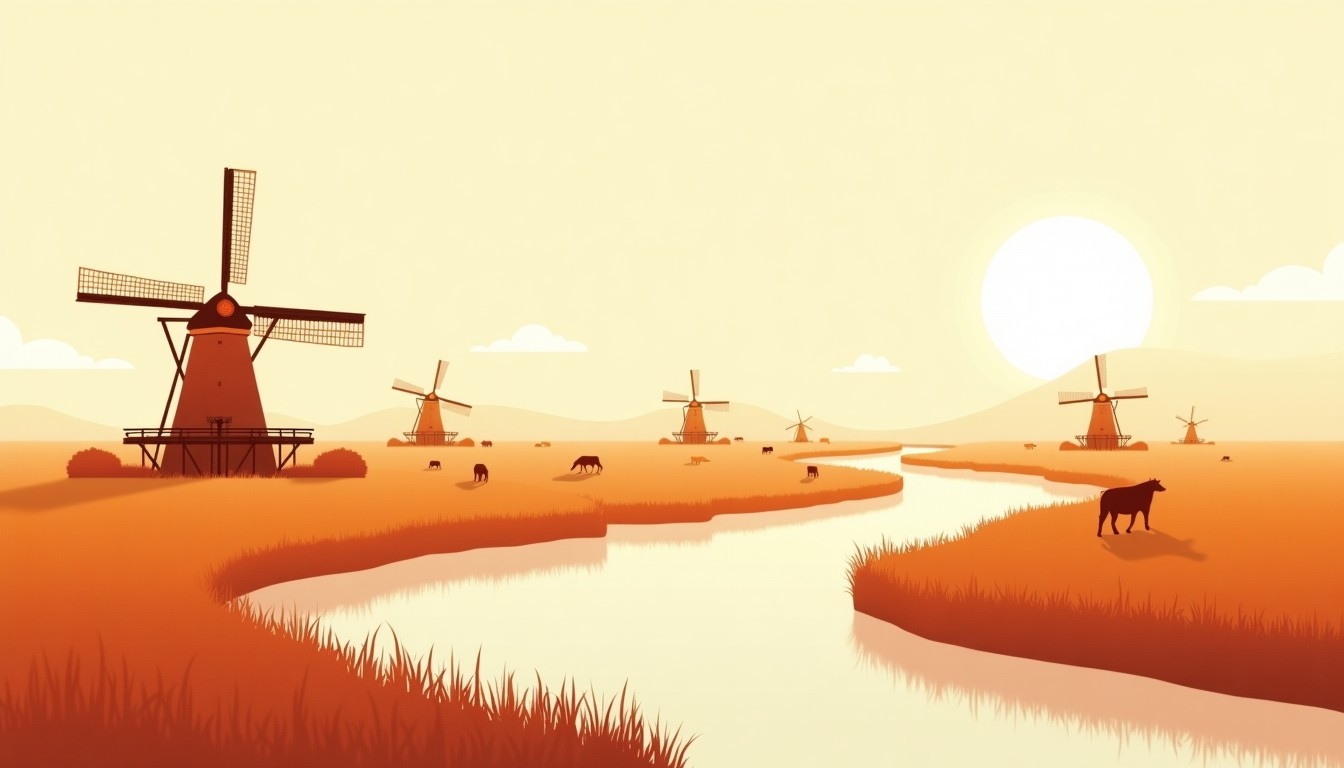
Mastering polderen isn't just about the word. It's about the attitude. Be patient. Listen. Propose compromises. Use phrases like "Ik begrijp je punt, maar..." (I see your point, but...). That's the heart of Dutch communication.
If you want to practice this kind of conversational give-and-take, the Fluency Tulip is perfect for training your ear for natural dialogue.

Polderen vs. other words
Is polderen the same as onderhandelen (negotiate)? Not exactly. Underhandelen is more transactional. Polderen is more collaborative. You polder to find a solution that works for everyone, not to win.

Try using it this week. Start with a small decision: where to eat, what movie to watch. Say: "Zullen we polderen?" (Shall we polder?) Watch the smiles appear.
Goed bezig. Stap voor stap word je een echte polderaar.