
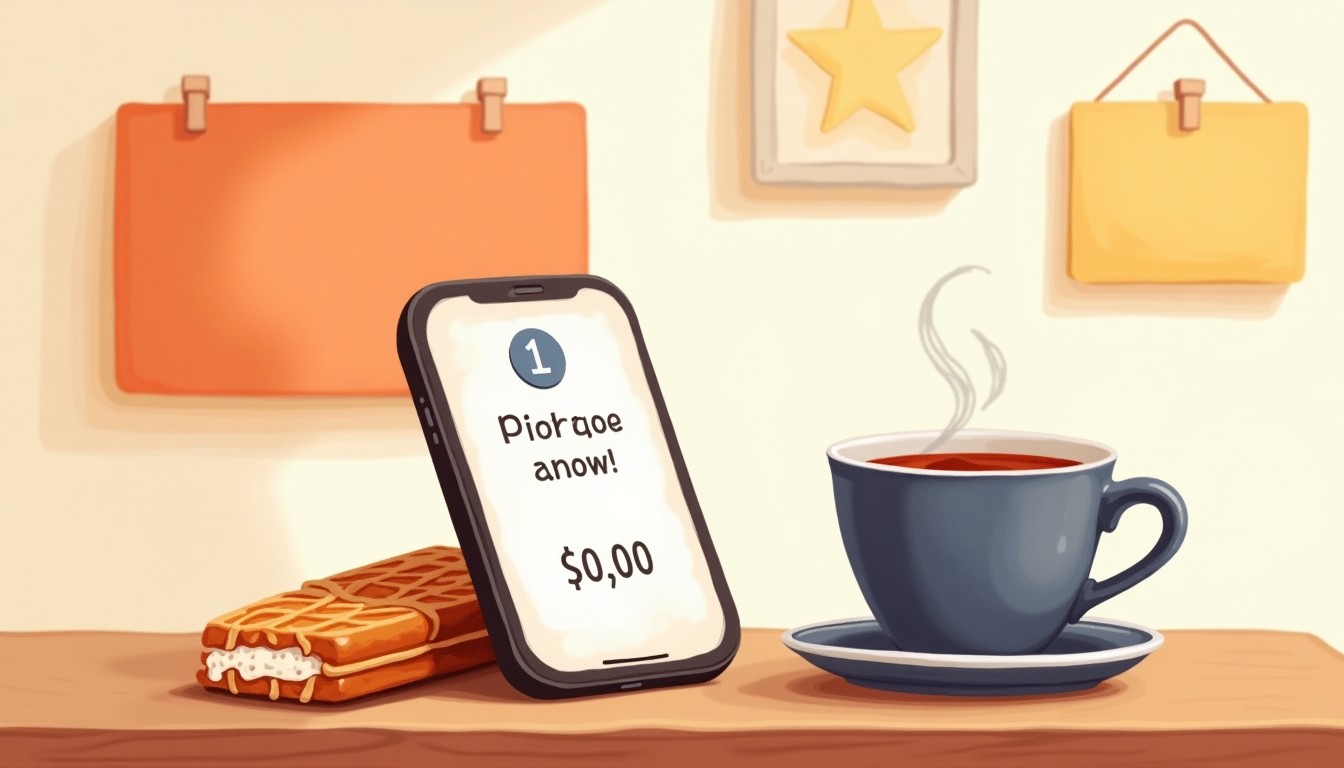
Picture this. You've just finished a lovely coffee catch-up with your new Dutch friend, Sanne. You paid for the coffees, she bought a small pastry to share. You say your goodbyes, cycle home in the rain, and just as you're taking off your wet coat... Ping!
It's a WhatsApp message from Sanne. But it's not a "thanks for the fun afternoon." It's a payment request. A Tikkie. For €1.45.
Welcome to the Netherlands.
What exactly is a Tikkie?
For those who haven't experienced the thrill yet, Tikkie is a tremendously popular app in the Netherlands used to send payment requests. It connects directly to your bank account via WhatsApp or text message. It's fast, it's efficient, and it is deeply, fundamentally Dutch.
In many cultures, asking someone to pay you back for a small amount of money is seen as petty or rude. If you buy me a coffee today, I'll just buy you one next time. It all evens out in the end, right?

Wrong. Not in the Netherlands.
The Philosophy Behind the Cent
When an expat first receives a Tikkie for a minuscule amount (say, less than two euros), the initial reaction is usually shock, followed closely by offense. "Do they really care about €1.45? Are they that cheap?"
Here is the secret you need to understand: It is almost never about the money itself.
In Dutch culture, there is a strong emphasis on equality and keeping things clear. It's the same cultural trait that makes them so direct in conversation. They don't like lingering obligations or unspoken debts. A Tikkie clears the air immediately.
"Ik stuur je even een Tikkie voor de koffie, is dat goed?" (I'll just send you a Tikkie for the coffee, is that okay?)
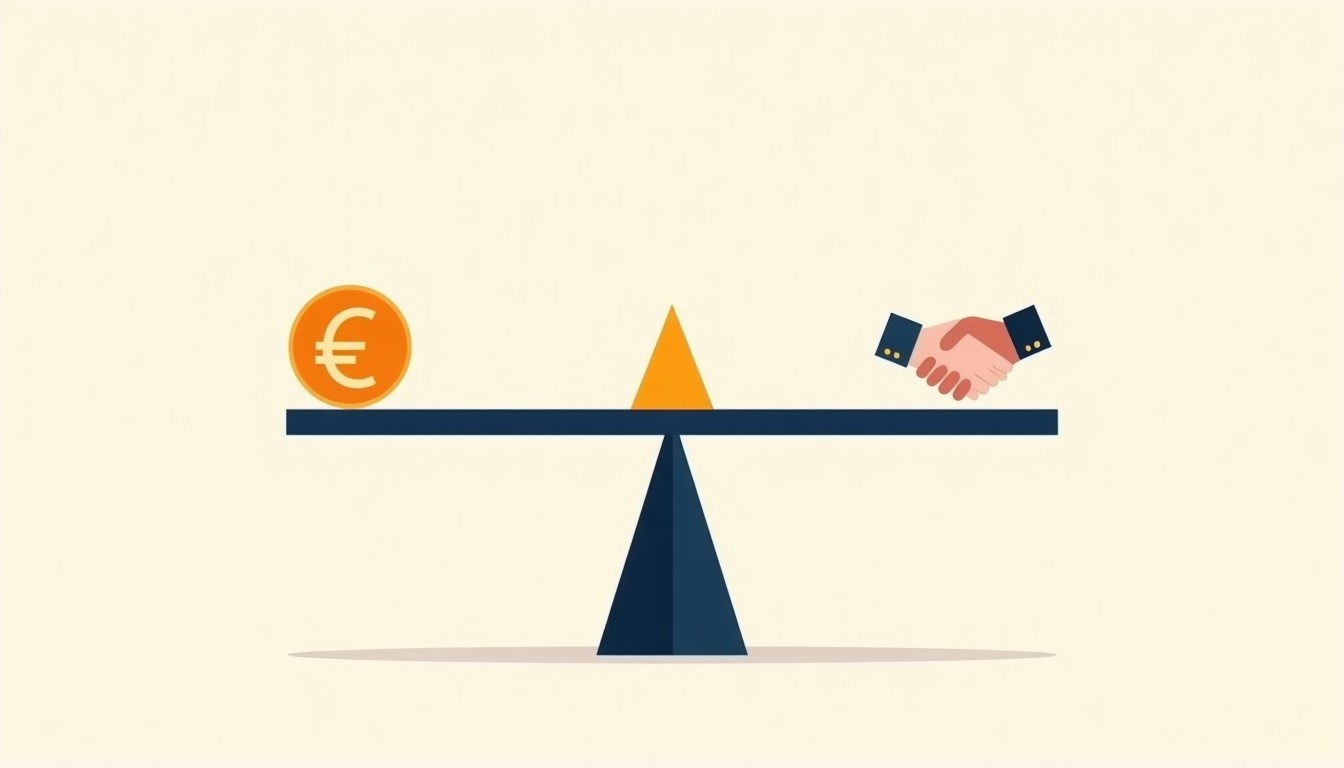
By sending that €1.45 request, Sanne isn't being stingy. She is ensuring that your friendship remains on perfectly equal footing. Now neither of you owes the other anything. You can start fresh next time.
How to Handle the Tikkie Culture
First, don't take it personally. Seriously. It's just how things are done here. Pay the Tikkie promptly (ideally within 24 hours) and move on.
Second, learn to embrace the power of the Tikkie yourself! Don't be afraid to send them when you've covered a shared expense. Your Dutch friends will completely expect it and respect you for it.

If you're out with a group and you pay the bill, you can easily say:
"Ik betaal wel even. Ik stuur jullie straks wel een Tikkie." (I'll pay for now. I'll send you guys a Tikkie later.)
This simple sentence instantly makes you sound like a local. It shows you understand the social norms.
When is a Tikkie Too Far?
Okay, even the Dutch have limits. While sending a Tikkie for a shared lunch or a round of drinks is standard practice, there are moments when it crosses the line from "efficient" to "bizarre."
A classic, slightly exaggerated example is the "Tikkie for a glass of tap water" or a Tikkie for using someone's toilet paper. If someone invites you to their house for dinner, they shouldn't send you a Tikkie for the ingredients (unless it was explicitly agreed beforehand that you'd split the cost of an expensive meal).
If you're unsure about the social rules, a good way to practice navigating these everyday situations is by using the Dutch diary app. You can write about your daily interactions, including awkward payment moments, and get corrections to help you sound more natural.
So, next time your phone pings with a tiny payment request, just smile. You're integrating. You're experiencing true Dutch culture. Pay the €1.45, and remember to send one back next time.
Stap voor stap, right? You'll get the hang of it.
