
You know that feeling when a Dutch person looks at your vintage coat and says, 'Oh, dat is wel ouderwets hè?' and you're not sure if it's a compliment or an insult? Let me settle that for you: in the Netherlands, 'ouderwets' can be the highest praise.
Here's the thing. 'Ouderwets' literally means 'old-fashioned,' but Dutch people use it in two very different ways. One is like the English version: a bit negative, like 'that's so outdated.' But the other... the other is pure gold. It's when something is classic, timeless, or charmingly retro. Think of a cozy brown café with candles on the tables. That's 'ouderwets gezellig.' And that's a good thing.
The Split Personality of 'Ouderwets'

Let me give you a real example. Last week, I was at a friend's house and she served boerenkool met worst (kale with sausage). I said, 'Lekker, ouderwets!' She beamed. Because in that context, 'ouderwets' meant 'traditional, homemade, comforting.' Now, if I had said that about her phone, she'd have been offended. See the difference?
Here's how to use it like a pro. When you want to say something is nostalgically good, pair 'ouderwets' with a positive word: 'ouderwets gezellig' (cozy like the old days), 'ouderwets lekker' (deliciously traditional), 'ouderwets mooi' (beautiful in a classic way). When you want to say something is outdated, you can just say 'ouderwets' on its own with a bit of a frown, or use 'verouderd' (obsolete) to be clear.
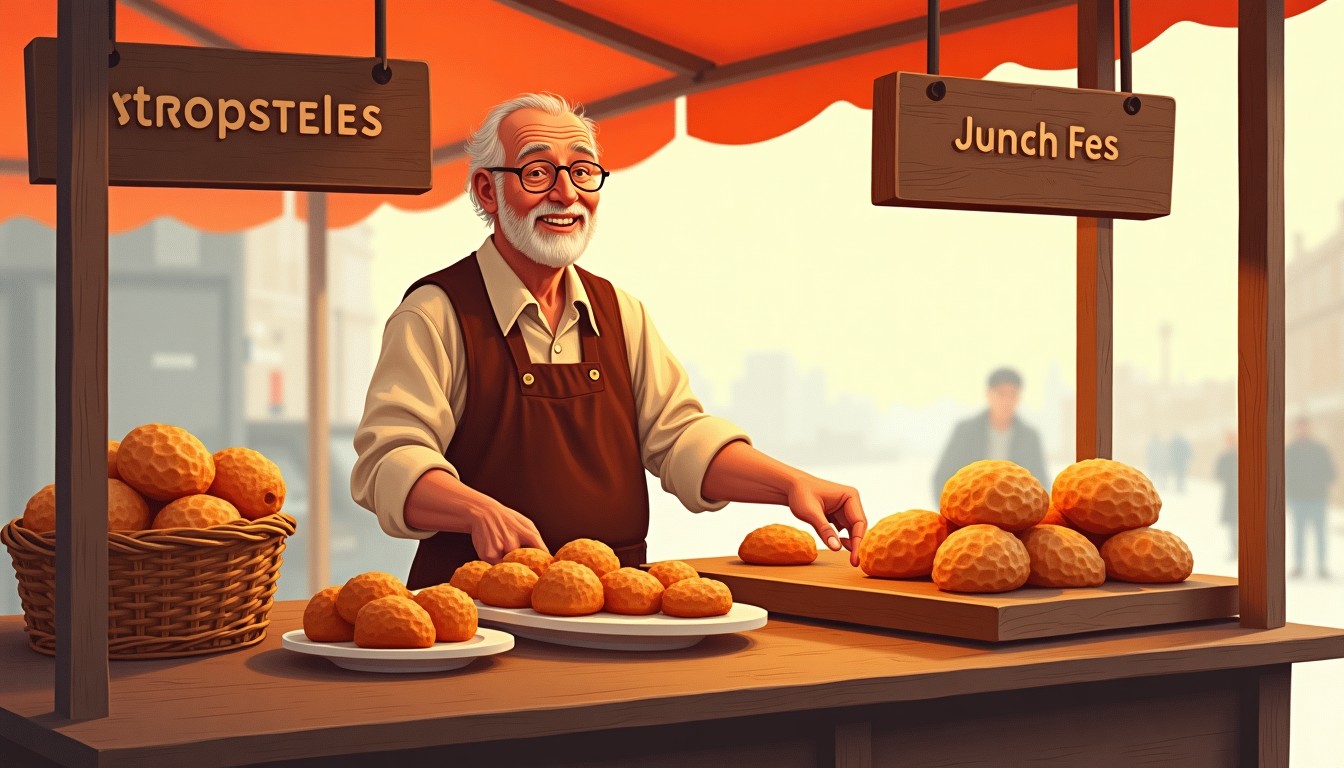
Try it yourself. Next time you're at a coaching session with me and I tell a dad joke, you can say 'Ouderwets, Rick!' and I'll know you mean it affectionately. Or if your Dutch friend shows up with a stroopwafel from the market, say 'Ouderwets lekker!' and watch their face light up.
Why This Matters for Your Dutch

Mastering words like 'ouderwets' is what separates textbook Dutch from real, living Dutch. It's not just vocabulary; it's cultural intuition. And the best way to build that intuition is by hearing and using words in context. That's exactly what our free podcasts are for. Listen to how native speakers use 'ouderwets' in conversations about food, fashion, and traditions. You'll start to feel when it's a compliment and when it's a roast.
So go ahead. Be 'ouderwets' in your language learning. Embrace the old-fashioned methods that work: repetition, conversation, and a little bit of gezelligheid. Stap voor stap, you'll get there.

Goed bezig!