← Back to all posts
LIGHT
by Rick

The Dutch 'Appointment' That's Not an Appointment

TL;DR

Learn why 'afspraak' and 'afspraakje' are totally different things.

You think you're making a plan. You say 'We hebben een afspraak.' The Dutch person smiles. But later you realize: you just asked them on a date.

Welcome to the minefield of afspraak vs afspraakje. One tiny suffix changes everything.

What's the difference?

Afspraak (without the -je) is a neutral appointment, meeting, or agreement. Business, casual, whatever. Use it for doctor's visits, coffee with a friend, or a work meeting. Safe.
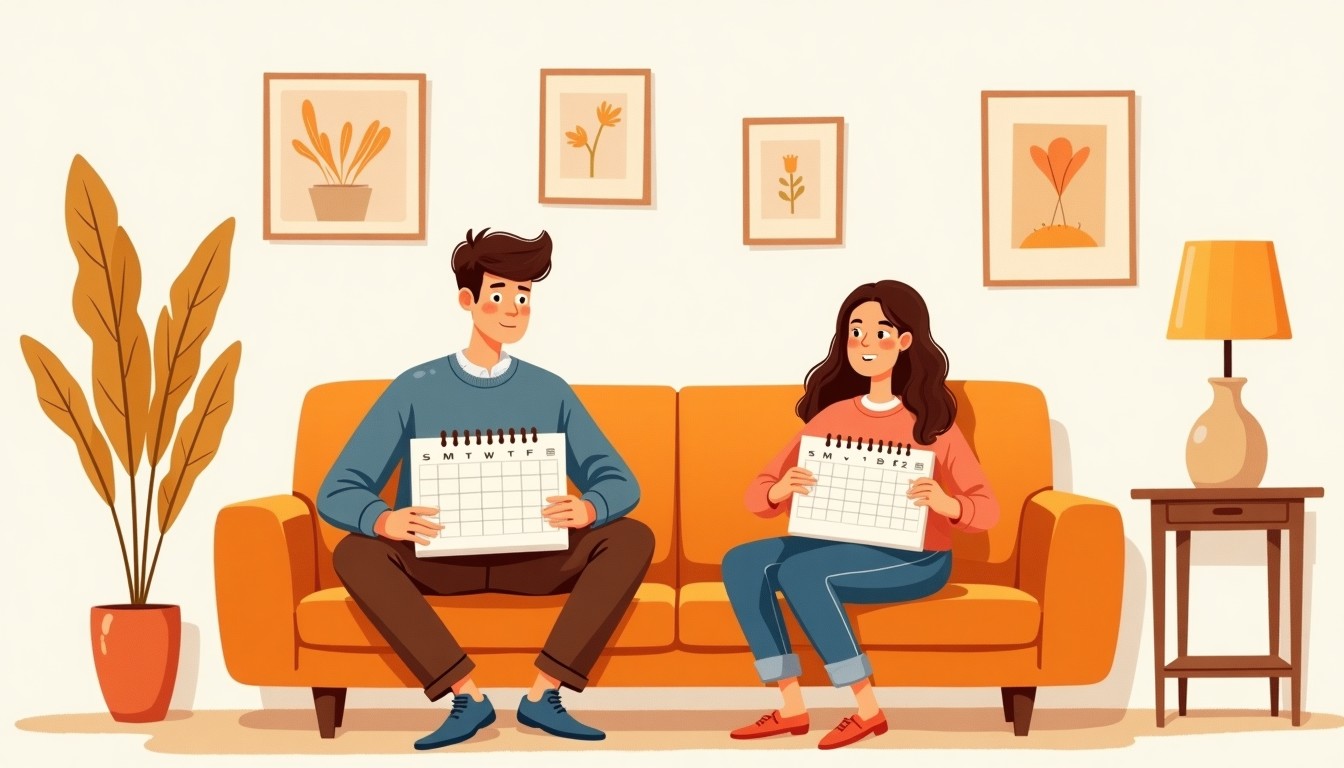
Two people on a couch in a cozy Dutch living room, one holding a calendar and looking confused but amused.
When you realize 'afspraakje' means date, not dentist.

Afspraakje (with the -je) is a date. Romantic. Specifically, a romantic rendezvous. Say 'We hebben een afspraakje' and you're saying 'We have a date.'

So when you tell your colleague 'Ik heb vanavond een afspraakje met mijn vriendin,' they'll assume it's romantic. If you meant a casual hangout, use 'afspraak'.

Real-life example

A Dutch street with a dentist sign and a couple walking hand in hand past it.
Dentist appointment or romantic date? Context is everything.

'Ik heb morgen een afspraak met de tandarts.' (I have an appointment with the dentist tomorrow.)

'Zullen we een afspraakje maken?' (Shall we make a date?)

See? Total difference.

Why this matters
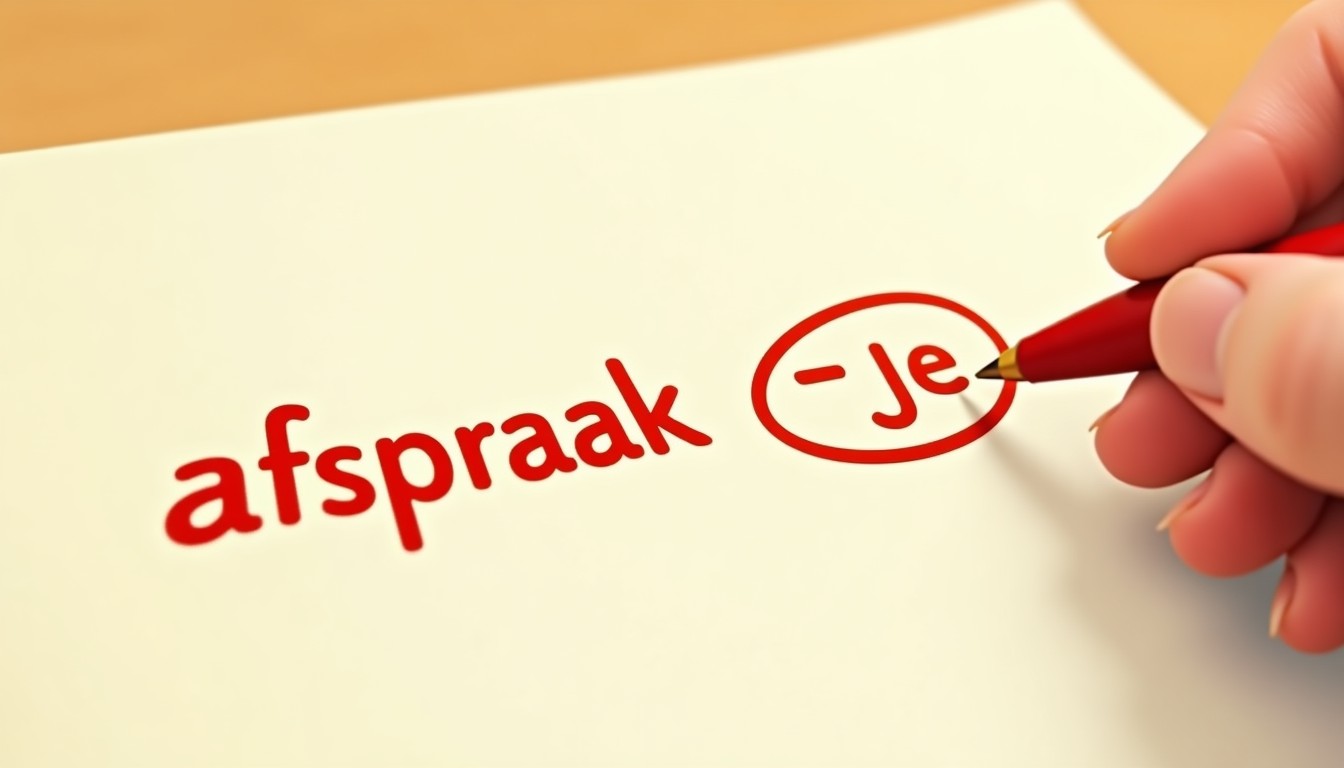
A hand writing 'afspraak' and 'afspraakje' on a notepad, with the -je circled in red.
One tiny suffix changes everything.

Mixing these up can lead to awkward situations. Imagine telling your boss 'Ik heb een afspraakje met de klant.' Your boss might think you're dating the client. Oops.

The diminutive -je in Dutch often indicates a smaller version, but with afspraak, it signals romance. Just like borrel (drink) vs borreltje (casual drink with friends, but not romantic).

If you want to practice this yourself, the Fluency Tulip is a great place to start.

Two friends in a Dutch café, one laughing and the other looking embarrassed.
How to accidentally ask your colleague on a date.

How to avoid the mistake

  • Always think: is this romantic? If yes, use -je. If not, keep it plain.
  • When in doubt, say meeting or ontmoeting for neutral situations.
  • Listen to how Dutch people say it. They'll never use afspraakje for a dentist visit.

Goed bezig! Stap voor stap wordt het makkelijker.

Woordenschat

Tap each card to reveal the English meaning

Tap to revealafspraak
appointment, meeting

Ik heb een afspraak met de tandarts.

I have an appointment with the dentist.

Tap to revealafspraakje
date (romantic)

Zullen we een afspraakje maken?

Shall we make a date?

Tap to revealhet verkleinwoord
diminutive

Het verkleinwoord -je maakt afspraak tot afspraakje.

The diminutive -je turns afspraak into afspraakje.

PRACTICE THIS

Dagboek

Get corrected Dutch back with audio and songs.

Write about your day

Frequently Asked Questions

Can I use 'afspraak' for a romantic date?

No, 'afspraak' is neutral. If you want to say 'date,' use 'afspraakje' or 'date' (English loanword).

What if I say 'afspraakje' for a dentist appointment?

People will be confused or think you're joking. Use 'afspraak' for non-romantic appointments.

Are there other words where -je changes the meaning?

Yes, for example 'borrel' (drink) vs 'borreltje' (casual drink), but the romantic shift is unique to 'afspraak'.

Stap voor stap.

Every post is a small step. The apps make the next step easier.