
Picture this: you're at a Dutch café, and your friend says, "Het is lekker weer, hè?" You nod, but inside you're thinking, "What was that little sound at the end?" That, my friend, is 'hè', the Swiss Army knife of Dutch words.
Let's be real. You can nail every vowel and conquer the G, but without 'hè', you'll sound like a textbook. This one syllable does more work than a stroopwafel at a meeting. It confirms, it complains, it connects. And the best part? It's dead simple to use.
What is 'hè'?
'Hè' is a tag question, like "right?" or "isn't it?" in English. But it's so much more. It's the verbal equivalent of a raised eyebrow or a knowing nod. Drop it at the end of a statement, and suddenly you're not just stating a fact, you're inviting agreement.
Example: "Het is koud, hè?" (It's cold, isn't it?)
See? You're not just talking about the weather. You're bonding. You're saying, "We're in this freezing country together." That's powerful stuff.

Three ways to use 'hè' like a pro
1. To confirm something obvious
Use it when you're stating the bleeding obvious, and everyone agrees.
"De trein is weer te laat, hè?" (The train is late again, right?)
Instant Dutch solidarity. You've just complained about the NS like a born local.
2. To express mild surprise or annoyance

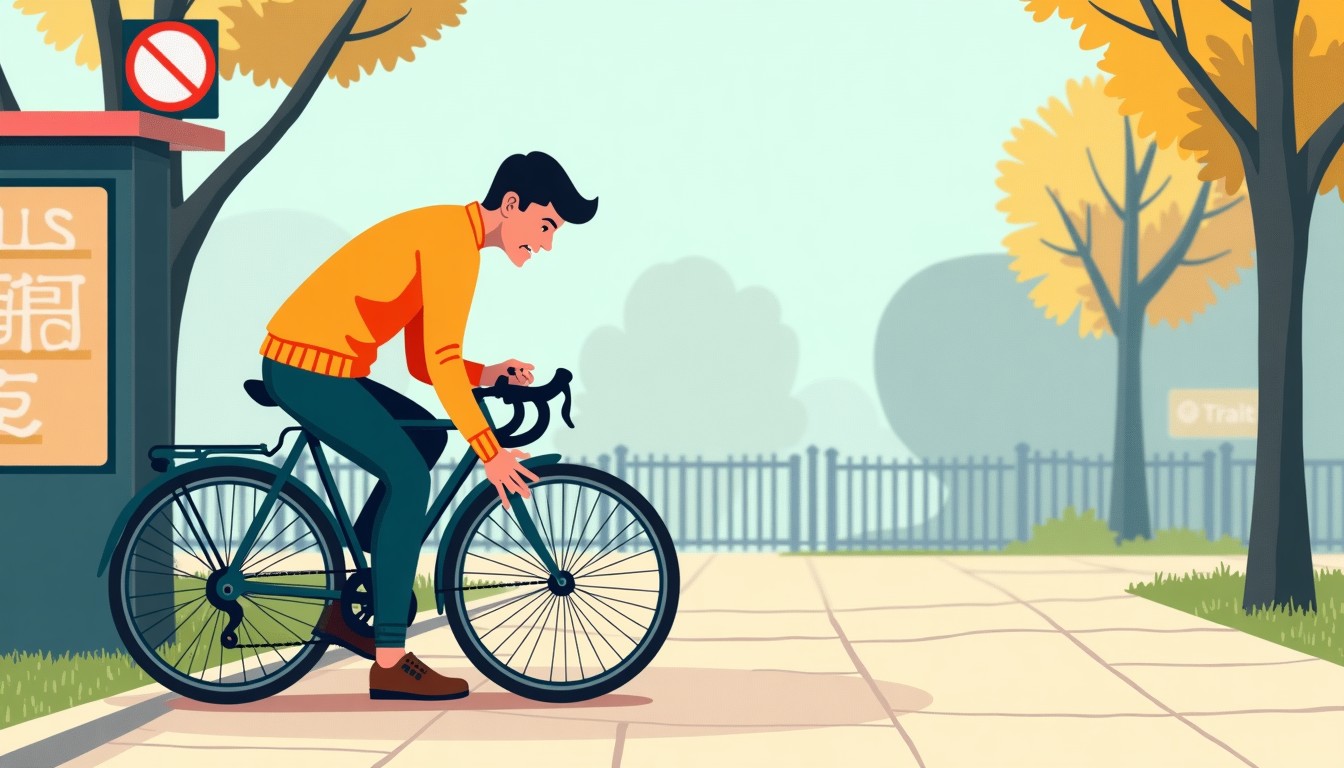
Stub your toe on a bike parked on the sidewalk? Say it with feeling: "Au, hè!" (Ow, right?!)
It turns your pain into a shared experience. The Dutch love that.
3. To soften a command
Instead of "Doe de deur dicht" (Close the door), try "Doe de deur dicht, hè?" (Close the door, will you?)
Now it's a request, not an order. You're polite, but still direct. Very Dutch.
Want to practice this in real conversations? Try the Fluency Tulip, it's perfect for training your ear to catch these tiny but mighty words.
Watch out for the tone
'Hè' can also be a standalone grunt of annoyance. Imagine you drop your phone. You might just go, "Hè..." with a sigh. That's pure Dutch frustration in one sound. Use it wisely.
And here's a pro tip: if you really want to sound fluent, pair 'hè' with a shoulder shrug. The combination is unbeatable.
So next time you're in a conversation, don't be afraid to throw in a 'hè'. It's small, but it'll make you sound like you've lived here for years. Goed bezig!
