
You studied for months. Your grammar is solid. You know your vocabulary. And then a Dutch colleague leans over at the coffee machine and says, "Zullen we even kletsen?" and your brain just... stalls.
Not because the sentence is hard. It isn't. But because kletsen is one of those words that carries a whole social universe inside it, and no textbook ever told you that.
So let's fix that right now, over a virtual kop koffie.
What Does 'Kletsen' Actually Mean?
On the surface, kletsen means "to chat" or "to gossip." Simple enough. But in daily Dutch life, it's so much richer than that.
Kletsen is the kind of talking that has no agenda. It's the ten-minute conversation at the supermarket checkout. It's the neighbour who stops you at the front door. It's Friday afternoon drinks at the office where nobody is really talking about anything, and that's exactly the point.
In English, we sometimes treat small talk as a necessary evil. A warm-up before the real conversation. In Dutch culture, kletsen is the real conversation. It's how trust is built. It's how you go from being an acquaintance to being part of the group.
If you've ever felt like Dutch people are friendly but somehow distant, there's a good chance you haven't cracked the kletsen code yet.

The Word Has Layers
Here's where it gets fun. Kletsen can mean slightly different things depending on context, tone, and company.
- Neutraal kletsen: just chatting, no judgment. "We kletsten wat bij de koffieautomaat." (We chatted a bit at the coffee machine.)
- Roddelen-adjacent kletsen: gossip, not necessarily mean-spirited but definitely juicy. If your Dutch colleague says "Ze kletsen maar wat," they mean people are talking nonsense or spreading stories.
- Onzin kletsen: talking rubbish. Saying someone "kletst uit zijn nek" (literally "chatters from his neck") means they're talking complete nonsense. Delightful phrase, by the way.
So the same word can mean warm, bonding small talk OR total rubbish depending on how you use it. Context is everything, as always in Dutch.
A Quick Example to Lock It In
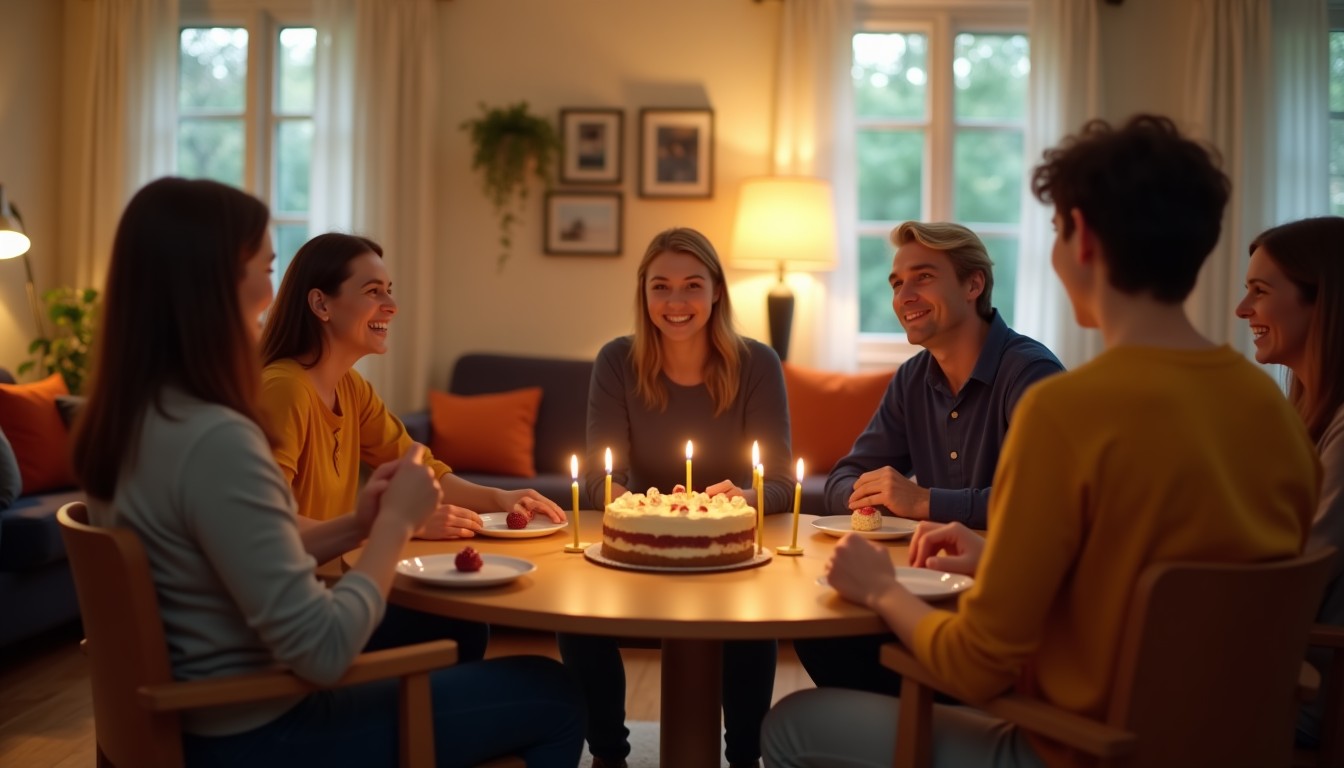
Imagine you're at a birthday party (a Dutch one, so yes, there's a circle of chairs and you're probably eating cake at 3pm). You turn to your neighbour and say:
"Ik klets graag wat met mensen die ik nog niet zo goed ken."
(I like to chat a bit with people I don't know so well yet.)

That sentence will get you a smile, maybe a laugh, and suddenly you are kletsen. Just like that.
Or, if someone at work is clearly exaggerating a story, you can raise an eyebrow and say: "Hij kletst uit zijn nek, hoor." (He's talking out of his neck, honestly.) Instant credibility.
Why This Matters for Your Fluency
Here's the thing most learners don't realise: fluency isn't just about understanding grammar or nailing your pronunciation. It's about knowing when to kletsen and how to do it comfortably.
The Dutch value directness, yes. But they also deeply value informal warmth, especially once they've decided they like you. And that decision often happens during a kletsmoment, a casual chat moment, not during a structured conversation about serious topics.
If you only ever speak Dutch in "official" mode, full sentences, careful grammar, serious topics, you're missing the register where real relationships form. Kletsen is the doorway.
This is exactly why I always encourage learners to practice writing and speaking in an informal, personal way. If you want to get comfortable with this relaxed register, the Dagboek is a brilliant place to start. Write like you're talking to a friend, get Dutch back with audio, and you'll start to feel what informal Dutch actually sounds like from the inside.
The Sound of 'Kletsen' (Yes, It Matters)
Quick pronunciation note, because I can't help myself.
The kl cluster at the start is crisp and clear. Don't swallow it. And the -et- in the middle is short and snappy, like the English word "let." The final -sen is soft, almost like "zun."
Put it together: KLET-sun. Fast, light, casual. Just like the activity itself.
If you want to sharpen your ear for how native speakers actually say this in real conversation, spend some time with the Fluency Tulip. Hearing it in context makes a massive difference.
Bonus: The Compound Words Are Gold
Dutch loves to build new words by stacking existing ones, and kletsen is no exception. Here are a few you'll actually hear:
- Kletspraat: idle chatter, gossip, or nonsense talk
- Kletskous: a chatterbox (literally a "chat sock," which is wonderfully absurd)
- Kletsnat: absolutely soaking wet (as in, drenched by Dutch rain, which, let's be honest, happens to all of us)
- Kletsmoment: a casual chat moment, often used in workplaces for informal team check-ins

Yes, kletsnat comes from the same root. The sound of something wet and slapping gave Dutch the word for both drenching rain AND idle chatter. Language is wild.
Start Kletsen. Seriously.
The next time you're in a Dutch environment and someone makes small talk, don't retreat into polite nodding. Lean in. Use the word. Say "laten we even kletsen" (let's have a little chat) and watch how quickly people warm up to you.
You don't need to be perfect. You just need to show up, be present, and let the conversation go where it goes. That's the whole point of kletsen.
Goed bezig. One casual conversation at a time, you're building something real.
Vocabulary: Key Words from This Post
| Dutch | English | Example sentence |
|---|---|---|
| kletsen | to chat / to gossip | We kletsten gezellig bij de koffieautomaat. |
| kletspraat | idle chatter / nonsense | Dat is gewoon kletspraat, geloof er niets van. |
| kletskous | chatterbox | Mijn buurvrouw is een echte kletskous. |
| kletsnat | soaking wet | Ik was kletsnat toen ik thuiskwam. |
| kletsmoment | informal chat moment | We hebben elke ochtend een kort kletsmoment op het werk. |
| kletsen uit zijn nek | to talk nonsense | Hij kletst uit zijn nek, dat is helemaal niet waar. |
| bijkletsen | to catch up (chatting) | We moeten snel even bijkletsen! |
| roddelen | to gossip (more pointed) | Ze roddelten over de nieuwe buurman. |
| laten we even kletsen | let's have a little chat | Laten we even kletsen over het weekend. |
| een kop koffie | a cup of coffee | Zullen we een kop koffie doen en kletsen? |
| gezellig | cozy / convivial | Het was zo gezellig, we kletsten de hele avond. |
| vertrouwen | trust | Door te kletsen bouw je vertrouwen op. |