
You're stuck in traffic on the A10. Again. You've got a meeting in twenty minutes. Your coffee is cold. And then you hear it from the passenger seat: "Je moet er maar in berusten."
Just accept it.
That's berusten. It sounds like giving up. It feels like surrender. But in Dutch culture, it's something closer to wisdom.
Not Giving Up, But Letting Go
Here's the thing: berusten doesn't mean you stop caring. It means you stop fighting what you can't control. There's a difference.

When a Dutch person says "Ik berust erin" (I accept it), they're not throwing in the towel. They're acknowledging reality. The train is late. The weather is terrible. The NS is... the NS. Fighting it won't help. So you sigh, you shrug, and you move on.
Expats often struggle with this. We're taught to push through, to hustle, to never give up. But berusten says: some things aren't worth the fight. Save your energy for what matters.
The Grammar Bit (Don't Worry, It's Short)
Berusten is a verb, and it almost always comes with in. You berust in something. The fixed phrase is zich berusten in or simply berusten in.
- Ik berust in het feit dat het regent. (I accept the fact that it's raining.)
- Hij kan niet berusten in die beslissing. (He can't accept that decision.)

Notice how it's not passive. It's not "I am defeated." It's "I choose to stop resisting." That's an active decision.
Why This Word Matters for Your Dutch
Learning Dutch isn't just about vocabulary. It's about understanding how Dutch people think. And berusten is a window into that.
The Dutch are pragmatic. They plan, they organize, they make afspraken. But when things go sideways, they don't spiral. They berusten. They adjust. They cycle on.
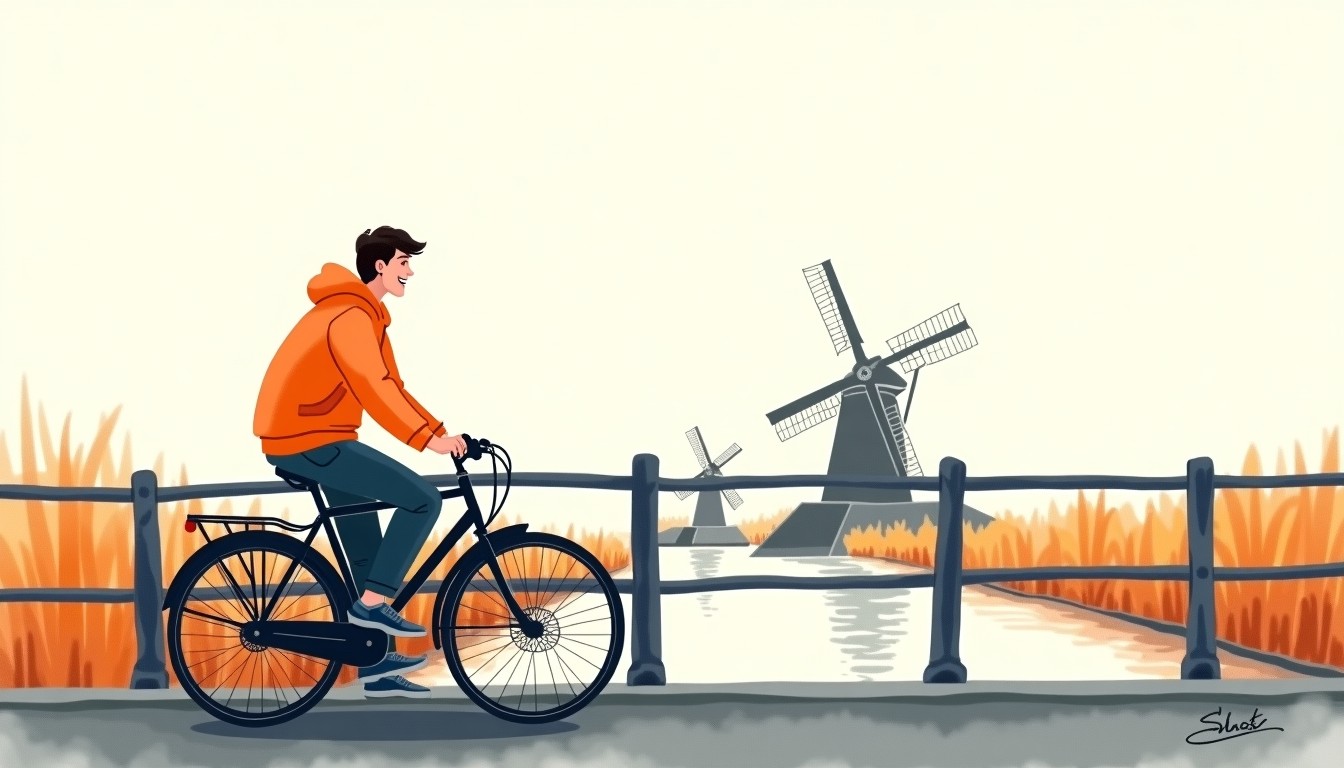
This mindset can help you too. When you mess up a sentence, when you forget a word, when you've been stuck at B1 for months... don't panic. Berust erin. Accept where you are. Then take the next step.
How to Practice This Word (And This Mindset)
Next time something small goes wrong, try saying it out loud: "Ik berust erin." It feels strange at first. But it's liberating.
If you want to build this kind of natural, reflective language into your routine, the Dagboek app is perfect. Write about your day, your frustrations, your small victories. You'll get Dutch back, with audio. It's like having a conversation with yourself, in Dutch.
And if you're ready to go deeper, start your free week and see how far you can go.

One More Thing
Berusten isn't about being passive. It's about being smart. It's about knowing when to push and when to let go. That's a skill. In Dutch, and in life.
So next time you're stuck, late, or lost, try it. Berust erin. Then move forward.
Goed bezig. You're doing better than you think.