
You are standing in a Dutch supermarket, juggling three apples and a leaking carton of milk, and a stranger reaches over and holds your basket open for you. You say dank je wel, they shrug, and they are gone. That tiny moment has a name in Dutch. It is a pleziertje.
Not a grand gesture. Not a favor you owe someone for years. Just a small, warm, no-strings kindness that makes the day a little lighter. And once you start noticing pleziertjes, you start hearing the word everywhere.
What exactly is a pleziertje?
The base word is plezier, which means fun, pleasure, enjoyment. Add the diminutive -tje and you get pleziertje: a little pleasure, a small delight, a tiny favor. The Dutch love diminutives, and this one does a lot of emotional work. It takes something nice and makes it gentle, modest, almost shy.
You will hear it in two main situations.
- Doing someone a small favor: "Ik doe het met plezier" means "I am happy to do it." If you want to be extra warm, you say "Het is een pleziertje." It is a pleasure. No big deal. Happy to help.
- A small treat for yourself: "Even een pleziertje voor mezelf" means a little moment of pleasure just for me. A good coffee. A walk along the canal. Ten minutes with a book.
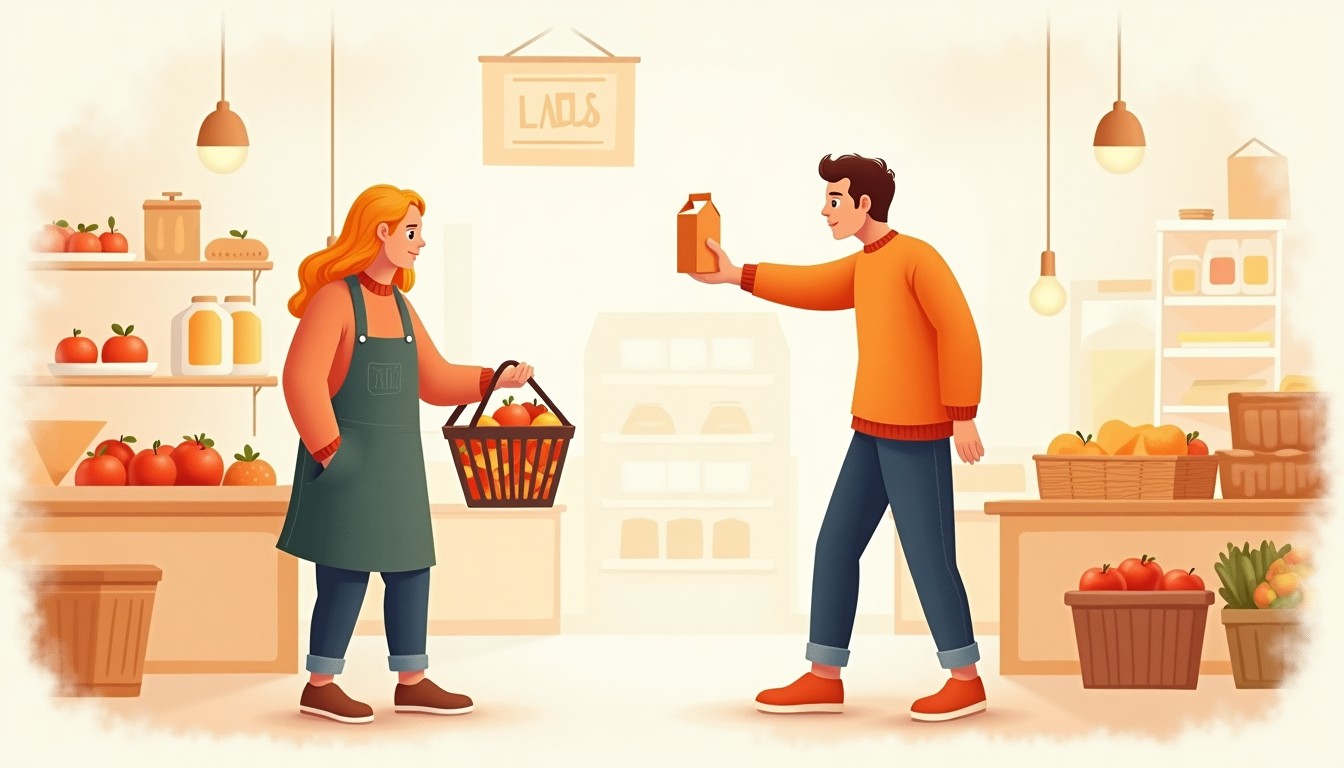
So the same word covers giving and receiving small joy. That is very Dutch. Practical and warm at the same time.
Why this word matters for learners
Most learners arrive with a vocabulary full of big words: important, difficult, necessary. Then they wonder why their Dutch feels stiff. The truth is that fluency lives in the small words. The tiny social lubricants. Pleziertje is one of them.
Say it when you hold a door for someone. Say it when a colleague helps you with a printer. Say it when you bring cookies to the office. It signals something important: I am not keeping score. This was nothing. And that is exactly the point.
If you want to practice this kind of everyday language in context, the Dagboek app is a lovely place to start. You write a few lines about your day, and you get natural Dutch back, with audio. Small daily writing is its own kind of pleziertje.
How to use it without sounding weird

Here are the three phrases you actually need.
1. Met plezier.
With pleasure. This is the standard, safe, friendly response when someone thanks you.
2. Het was een pleziertje.
It was a pleasure. Slightly warmer, slightly more personal. Great for after a nice conversation or a small favor.
3. Even een pleziertje voor mezelf.
Just a little treat for myself. Perfect for a Friday afternoon coffee, a new book, or a long bath.
Notice the word even in that last one. It means briefly, just for a moment. Dutch people sprinkle it everywhere to make things feel lighter. "Even een pleziertje" sounds casual and kind. Without even, it can sound a bit heavy, like you are justifying a luxury.

If you want a deeper dive into these small rhythm words, our tools overview has a few that focus on natural daily Dutch.
The cultural bit nobody tells you
Dutch culture gets a reputation for directness. And yes, people will tell you exactly what they think about your bike lights or your presentation. But there is a softer side that tourists often miss. The pleziertje is part of that side.
It shows up in small rituals. A neighbor watering your plants while you are away. A colleague bringing gevulde koeken on their birthday. A stranger helping you push your bike up a bridge. None of these are dramatic. All of them are pleziertjes.
And here is the beautiful part: you can give them too. You do not need perfect Dutch. You need a small, kind action and a simple sentence. "Alsjeblieft, een pleziertje." Here you go, a little pleasure. That is it. That is the whole magic trick.
One trap to avoid

Do not confuse pleziertje with plezier in the sense of a big party or wild fun. If you say "Ik heb veel plezier gehad" after a quiet dinner, you mean you enjoyed yourself. That is fine. But if you say "Het was een pleziertje" after a wild night out, it sounds a bit formal and cute, like you are writing a thank-you note to your grandmother. Context matters.
When in doubt, use it for small, gentle, everyday kindness. That is where it lives.
Try this today
Pick one small thing you can do for someone. Hold a door. Send a nice message. Make someone tea. Then say, in Dutch, "Het is een pleziertje." Do it once and the word will stick. Do it ten times and it becomes part of who you are in Dutch.
That is how fluency really grows. Not in giant leaps, but in tiny warm moments. Stap voor stap. Goed bezig.