
You're at a birthday party in Utrecht. You barely know anyone. Someone offers you the last piece of appeltaart. You say, 'Oh, no, you take it.' They smile and say, 'Ik gun het je.' And suddenly, you feel like you belong.
That little verb, gunnen, is everywhere in Dutch. It means to grant someone something, not out of duty, but because you genuinely want them to have it. It's the opposite of jealousy. It's the warm, open-handed feeling that says, 'You deserve this, and I'm happy for you.'
English doesn't have a single word for it. We say 'I'm happy for you' or 'You deserve it' or 'I don't begrudge you.' But Dutch has this one compact verb that does all the heavy lifting. And once you start using it, you'll notice a shift in how people respond to you.
Why 'gunnen' hits different
In the Netherlands, directness is valued. But so is generosity of spirit. Gunnen combines both. It's not just polite; it's personal. When you say 'Ik gun het je,' you're not just being nice. You're saying, 'I see you, I value you, and I want good things for you.'

Think about the last time a colleague got a promotion you wanted. In English, you might say, 'Congratulations, I'm so happy for you,' while secretly feeling a twinge. In Dutch, you could say, 'Ik gun het je van harte,' and it carries a weight that feels more genuine. It's a way to actively choose generosity over envy.
This is why expats often find Dutch social dynamics confusing at first. People can be blunt about your new haircut, but then turn around and gunnen you the last bitterbal without a second thought. It's not contradiction; it's a different balance of honesty and warmth.
How to use 'gunnen' in daily life
You can gunnen someone a break, a win, a piece of cake, a promotion, even a good night's sleep. It's incredibly flexible. Here are a few patterns:

- Ik gun je een dag vrij. (I want you to have a day off.)
- Zij gunt hem het succes. (She wishes him the success.)
- Gun jezelf wat rust. (Allow yourself some rest.)
Notice that last one? You can gunnen yourself things too. That's a big deal in a culture that values hard work and modesty. Taking a break isn't lazy; it's something you gun yourself.
If you want to practice using 'gunnen' in real conversations, the Fluency Tulip is a great place to start. It uses real podcast audio so you can hear how natives use it naturally.
The cultural payoff
When you start using gunnen, you're not just learning vocabulary. You're signaling that you understand the Dutch social contract. You're saying, 'I'm not here to compete with you. I'm here to wish you well.' That's disarming. It builds trust.

And it works both ways. Dutch people will gunnen you things too. They'll offer you the best seat, the last slice, the inside tip on a job opening. Not because they have to, but because they want to. That's the magic of it.
So next time you're in a social situation and you feel that little pang of envy, try flipping it. Say 'Ik gun het je' and mean it. You might be surprised how good it feels.
For more ways to weave these small but mighty words into your daily Dutch, check out our Dagboek app. You can write about your day in any language and get Dutch back, with audio. It's a low-pressure way to make gunnen your own.
Goed bezig, and stap voor stap, you'll get there.
Frequently Asked Questions
Is 'gunnen' the same as 'to grant'?
Not exactly. 'Grant' often sounds formal or official. 'Gunnen' is personal and emotional. It's about wanting someone to have something, not just allowing it.
Can I use 'gunnen' with strangers?
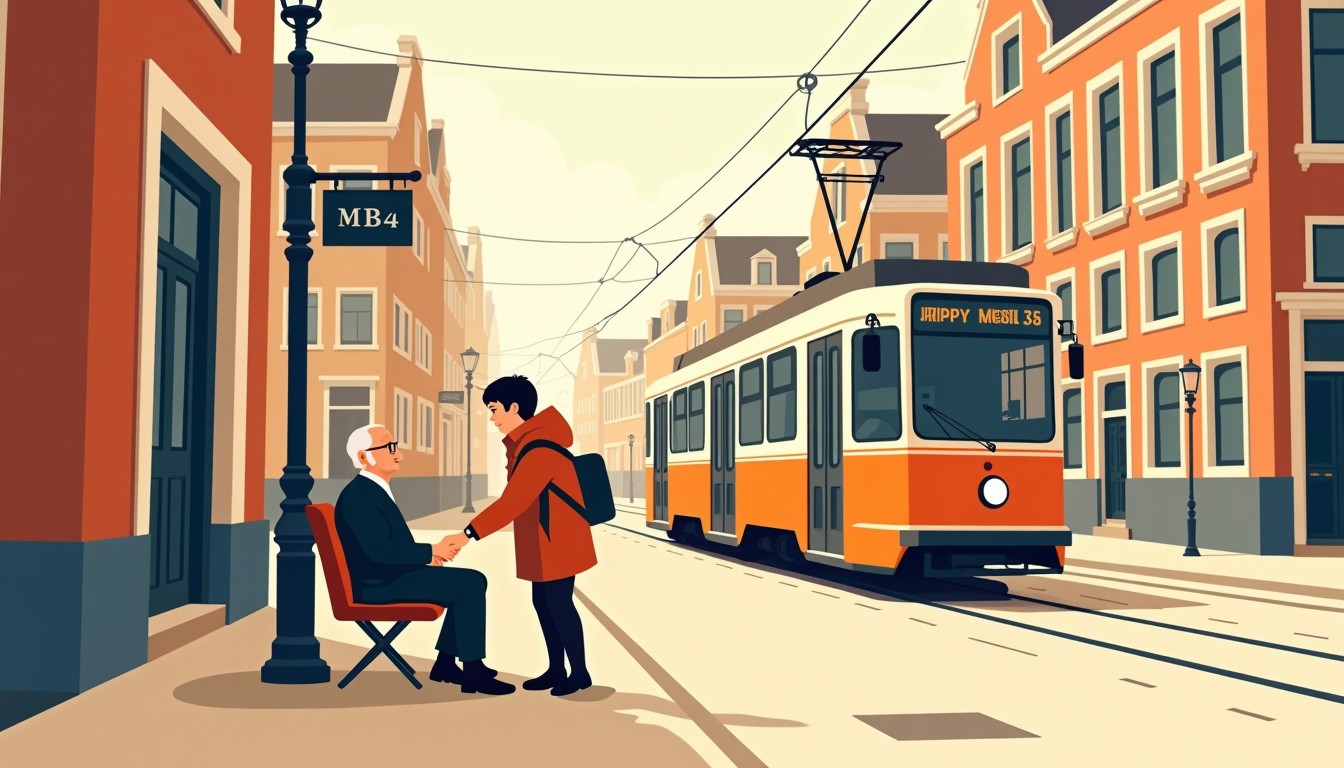
Yes, but keep it light. 'Ik gun het je' to a stranger is fine in a friendly context, like giving up your seat on the tram.
What's the opposite of 'gunnen'?
There isn't a perfect one-word opposite. 'Misgunnen' exists but is rare. Usually, you'd say 'Iemand iets niet gunnen' (to not begrudge someone something).
